Terroir in the Cup: The Single-Origin Coffee Roasters Treating the Bean as a Culinary Ingredient
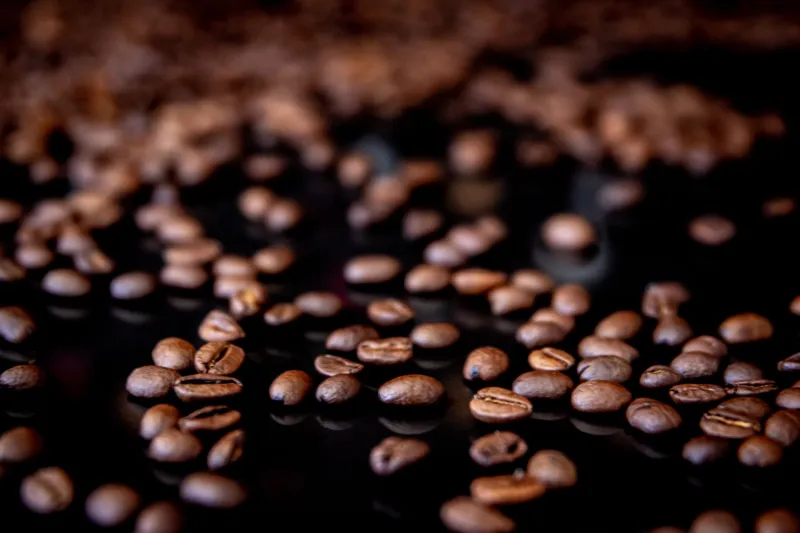
Consider the Ethiopian Yirgacheffe. In the hands of a careless roaster, it becomes merely dark and bitter — indistinguishable from any mass-produced blend. In the hands of someone who understands its origin, who has sourced it from a specific washing station in the Gedeo Zone and roasted it with deliberate restraint, it yields something else entirely: jasmine, bergamot, a clean citrus brightness, and a finish that lingers with the complexity of a well-made white wine. The bean has not changed. The intention surrounding it has.
This distinction — between coffee as commodity and coffee as craft ingredient — is at the center of a movement reshaping American specialty roasting. Across the country, a new generation of roasters is approaching their work with the same intellectual rigor and sourcing discipline that the finest chocolate makers apply to cacao. The result is a category of pantry ingredient that rewards attention, repays curiosity, and belongs, without apology, in the serious home cook's kitchen.
The Vocabulary of Origin
To appreciate what distinguishes artisan single-origin coffee from its commercial counterpart, it helps to understand the geography of flavor. Coffee, like wine, is profoundly shaped by the conditions of its cultivation: altitude, soil composition, rainfall patterns, processing method, and varietal genetics all contribute to what roasters and buyers call the cup profile of a given lot.
Ethiopia, the ancestral homeland of Coffea arabica, produces beans of extraordinary aromatic complexity — floral, fruited, and layered. Colombia's diverse microclimates yield coffees ranging from the bright, caramel-sweet notes of Huila to the stone-fruit depth of Nariño. Central American origins — Guatemala's Antigua, Honduras's Marcala, Costa Rica's Tarrazú — tend toward clean sweetness and structured acidity. In East Africa, Kenya's SL28 and SL34 varietals produce a blackcurrant intensity that has no real parallel elsewhere in the botanical world.
American specialty roasters who work directly with producers — a practice known in the industry as direct trade — develop an intimate knowledge of these regional signatures. They visit farms, cup hundreds of samples, and select individual lots rather than purchasing blended commodity coffee. This sourcing discipline is the foundation upon which everything else is built.
The Roaster as Translator
If the farmer and the origin define the raw material, the roaster's task is translation — coaxing the latent flavors within a green bean into vivid, drinkable expression without obscuring or overwhelming them. This is a more delicate undertaking than it might appear.
Heat application during roasting triggers a cascade of chemical reactions, most notably the Maillard reaction and caramelization, which develop the brown color and roasted flavors we associate with coffee. Roast too lightly, and the bean may taste grassy or underdeveloped. Roast too darkly, and the origin character — the terroir — is incinerated, replaced by a uniform roasty bitterness that tastes the same regardless of where the bean was grown.
The finest American specialty roasters — among them Intelligentsia Coffee, founded in Chicago; Counter Culture Coffee, based in Durham, North Carolina; and Onyx Coffee Lab in Springdale, Arkansas — have built reputations on the discipline of the medium and light-medium roast, which preserves origin expression while developing the structural complexity that makes a coffee genuinely interesting. Many publish detailed roast notes and sourcing information for each offering, inviting customers into a conversation about flavor that was, until recently, the exclusive province of professional buyers.
Coffee as a Culinary Ingredient
For the home cook, the implications of this movement extend well beyond the morning cup. Coffee, understood as a concentrated flavor source rather than a beverage category, is one of the most versatile ingredients in the pantry.
A well-sourced dark roast — something with the bitter chocolate depth of a Sumatra Mandheling or a natural-processed Brazil — performs extraordinary work in savory applications: rubbed onto beef short ribs before a long braise, incorporated into a mole alongside dried chiles and cinnamon, or dissolved into a reduction sauce for venison or duck. The roasted bitterness acts as a counterweight to richness, and the aromatic complexity amplifies rather than competes with other deep flavors.
At the sweeter end of the spectrum, a fruit-forward Ethiopian or Kenyan coffee — ground fine and steeped cold overnight — produces a cold brew concentrate of almost wine-like elegance, suitable for folding into chocolate ganache, whisking into a buttercream, or using as the liquid base for a semifreddo. The bergamot and jasmine notes that survive cold extraction translate beautifully into pastry applications, offering a depth that vanilla alone cannot provide.
Freshly ground coffee also performs well as a dry rub component, a biscotti flavoring, a tiramisu base using something more considered than generic espresso powder, and an unexpected element in spiced nuts or candied seeds. The key, in all of these applications, is beginning with coffee that actually has flavor worth preserving.
A Buyer's Guide to Single-Origin Selection
Navigating the specialty coffee market requires only a modest vocabulary and a willingness to experiment. A few orienting principles:
Roast date over roast level. Fresh coffee — roasted within the past two to four weeks — is almost always preferable to older stock, regardless of origin or price. Look for roasters who print the roast date clearly on their packaging.
Process matters. Washed (wet-processed) coffees tend toward clarity and brightness; natural (dry-processed) coffees are often fruitier and more complex, occasionally funky. Honey-processed coffees occupy a middle ground. Understanding these distinctions helps predict whether a given coffee will suit your intended use.
Whole bean, ground fresh. Ground coffee oxidizes rapidly. Purchasing whole beans and grinding immediately before brewing or cooking preserves significantly more of the volatile aromatic compounds that make specialty coffee worth the investment.
Explore regional subscription programs. Many of the finest American roasters offer subscription services that rotate through single-origin offerings as they come into season — a structure that mirrors, not coincidentally, the seasonal logic of the best artisan food producers.
The Pantry Case for Exceptional Coffee
The discerning home cook who already devotes care to sourcing single-origin chocolate, heritage spices, and small-batch olive oil has every reason to apply the same scrutiny to coffee. It is, at its finest, an ingredient of genuine terroir — one that carries the character of its soil, its altitude, and the hands that harvested and processed it.
To treat it as a commodity is to leave considerable flavor on the table. To treat it as the artisan product it genuinely is — to source it thoughtfully, store it properly, and deploy it with intention — is to discover one of the most abundant and versatile flavor sources available to the American home kitchen.