Creamery Culture: How America's Small-Batch Cheesemakers Are Redefining What Belongs in Your Pantry
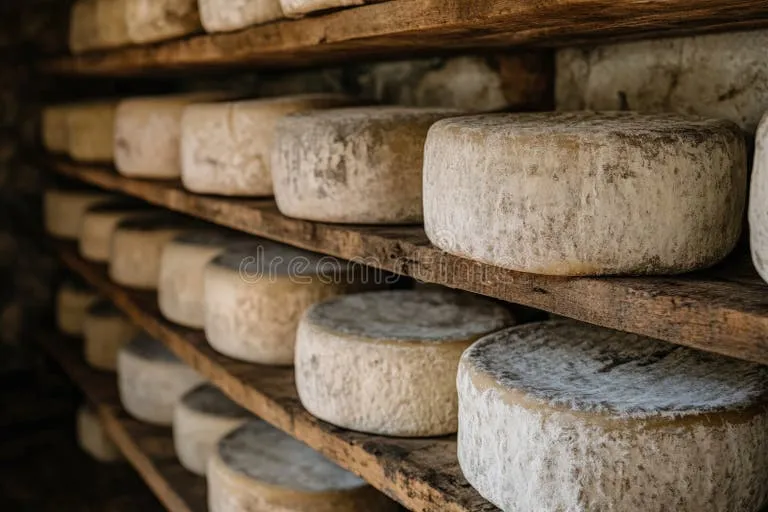
Photo: artisan cheese wheels aging cellar farmstead American creamery, via thumbs.dreamstime.com
Across the Country, a Quiet Revolution Ripens
For much of the twentieth century, the word "American" before "cheese" carried an unfortunate connotation—a processed, foil-wrapped product that bore little resemblance to the living, breathing wheels produced in the cellars of France, Italy, or Switzerland. That era is emphatically over. Today, from the fog-draped pastures of Northern California to the limestone-rich hills of Vermont and the rolling bluegrass of Kentucky, a new generation of cheesemakers is crafting products of extraordinary complexity and character. The American Cheese Society now recognizes more than a thousand producers, and that number continues to grow with each passing year.
For the discerning home cook who views the pantry as a curated collection rather than a mere supply depot, artisan American cheese represents one of the most compelling additions available. These are not impulse purchases; they are relationships, stories, and flavors that elevate every table they grace.
What Distinguishes Artisan Cheese from the Ordinary
The word "artisan" is freely applied to many food products, sometimes with little justification. In the world of cheese, however, the distinction carries real meaning. Artisan production typically involves small batches made by hand, often on the same property where the animals are raised. The milk—whether from cows, goats, sheep, or water buffalo—is rarely ultra-pasteurized, preserving the delicate microbial complexity that gives each cheese its sense of place, a quality the French call terroir.
Many of the most celebrated domestic producers work with heritage breeds: Brown Swiss and Ayrshire cows whose milk carries higher butterfat and protein content than commercial Holsteins; LaMancha and Nubian goats whose milk yields cheeses of unusual richness; and East Friesian sheep, long prized in Europe for milk that produces the silken texture found in the finest aged pecorinos. When a cheesemaker chooses to work with these breeds, they are making a deliberate statement about quality over volume—a philosophy entirely aligned with the values of an abundant, intentional kitchen.
Learning the Landscape: Regional Styles Worth Knowing
America's cheesemaking geography is as varied as its climate. A few regions have earned particular distinction and are worth exploring as a starting point.
Vermont and New England remain the spiritual heartland of American artisan cheese. The region's cool temperatures, lush pastures, and longstanding dairy culture have produced cheesemakers of remarkable skill. Aged cheddars with crystalline texture, washed-rind cheeses redolent of cider, and bloomy-rind rounds that soften to a buttery interior are all regional signatures.
California's North Coast and Central Valley offer a warmer-climate counterpoint, with producers crafting fresh chèvres, aged tommes, and inventive mixed-milk cheeses that reflect the state's agricultural diversity and culinary adventurousness.
The Pacific Northwest, particularly Oregon and Washington, has developed a distinct identity around farmstead cheeses that pair naturally with the region's celebrated wines and charcuterie traditions.
The Upper Midwest—Wisconsin chief among them—brings a century of dairy expertise to bear on small-batch production, yielding aged Goudas, alpine-style wheels, and original styles that have begun winning international recognition.
How to Source Exceptional Cheese Directly
The finest artisan cheeses rarely appear in conventional supermarkets, and when they do, the journey from producer to shelf has often diminished their quality. Cultivating direct relationships with producers and specialty retailers is both the practical and the pleasurable path forward.
Visit farmers markets with intention. Many small creameries sell exclusively at regional markets, and the opportunity to speak directly with the cheesemaker—to ask about aging conditions, seasonal variation, and pairing suggestions—is invaluable. Arrive early for the best selection and bring a small cooler.
Seek out dedicated cheese shops. A skilled cheesemonger is one of the most useful allies a serious cook can cultivate. These professionals taste constantly, maintain relationships with producers, and can guide selections based on your specific preferences and intended use. Unlike a supermarket counter, a proper cheese shop will offer generous samples and honest counsel.
Explore online ordering from creameries directly. An increasing number of artisan producers ship their products with care, using insulated packaging and careful timing to ensure the cheese arrives in peak condition. Subscribing to a monthly cheese share from a producer you admire is an excellent way to receive seasonal offerings and build familiarity with a particular maker's style.
Attend regional cheese festivals. Events such as the American Cheese Society's annual conference and various state-level dairy festivals offer extraordinary opportunities to taste widely and meet producers in person.
Understanding Flavor and Building Pairings
Approaching artisan cheese with curiosity rather than intimidation transforms the experience entirely. A useful framework is to consider four dimensions: texture (fresh and spreadable through aged and crumbly), intensity (mild through pungent), milk type (each imparts distinct character), and aging environment (cave-aged cheeses develop differently than those aged in humid cellars or rubbed with ash).
For the home cook building a well-stocked pantry, a selection that spans these dimensions ensures versatility. A fresh chèvre brightens salads and pasta; a semi-firm aged sheep's milk wheel shaves beautifully over roasted vegetables; a robust, clothbound cheddar anchors a cheese board or melts into a sauce with incomparable depth.
Honey, particularly varietal honeys sourced from small apiaries, complements aged and blue cheeses with elegant simplicity. Seasonal fruit preserves, toasted nuts, and quality cured meats round out a composed board without overwhelming the cheese itself.
Investing in the Relationship
The most enduring reward of engaging with artisan cheesemakers is not simply the cheese on your table, but the understanding that accumulates over time. When you know that a particular creamery's aged tomme is richer in autumn because the cows have grazed on late-season grasses, or that a cheesemaker has just released a limited batch of cave-aged wheels after an exceptional milk season, you participate in a food culture that is genuinely alive.
This is precisely the spirit of an abundant pantry: not the accumulation of quantity, but the deliberate gathering of quality—ingredients chosen with knowledge, sourced with care, and shared with generosity. America's artisan cheesemakers are producing some of the finest dairy products in the world. They deserve a place in your kitchen, and on your table, without reservation.