The Flavor Library: A Discerning Cook's Guide to Single-Origin Spices and the Art of Sourcing Them Well
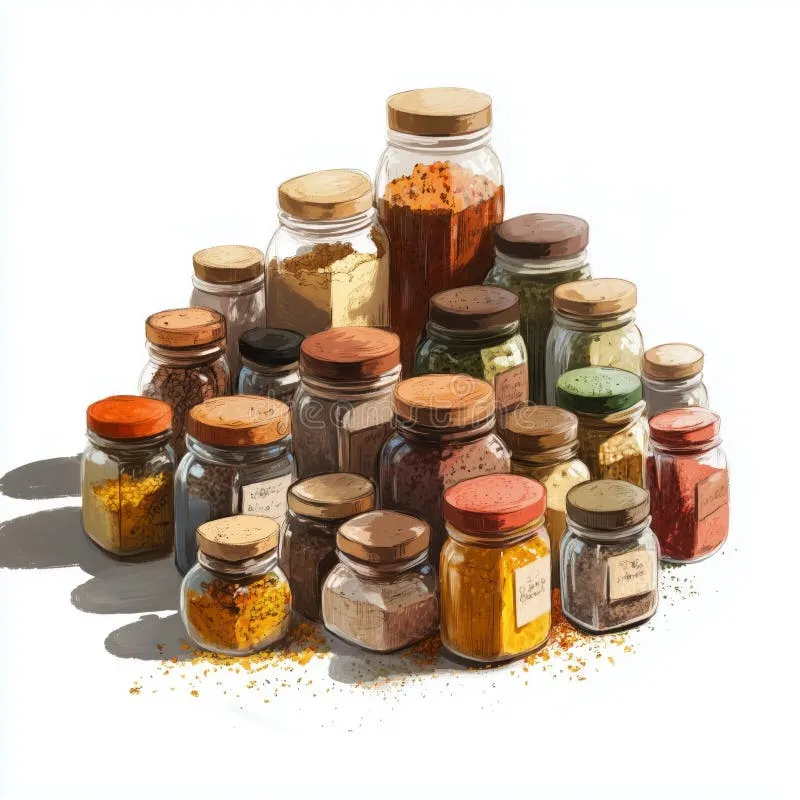
Photo: single origin spices colorful jars saffron pepper spice collection artisan, via thumbs.dreamstime.com
Why Provenance Matters in the Spice Drawer
Consider the humble cinnamon stick. The version found in most American grocery stores is almost certainly Cassia, a variety that is bold, slightly astringent, and inexpensive to produce. Compare it to true Ceylon cinnamon—sometimes called "soft quill" cinnamon—sourced from a single estate in Sri Lanka, and the experience is startlingly different: floral, delicate, layered with a sweetness that requires no amplification. Neither is fraudulent. But only one of them will change the way your morning oatmeal tastes, or the complexity of a holiday baking project, or the quiet sophistication of a braised dish.
This distinction—between commodity spices and single-origin, carefully harvested ones—is the foundation of what we might call a flavor library. Just as a discerning cook curates pantry staples with attention to provenance and quality, a thoughtfully assembled spice collection becomes a set of tools capable of elevating the simplest ingredient into something genuinely memorable.
The Commodity Problem and What Lies Beyond It
The conventional spice supply chain is long and, by design, optimized for uniformity and shelf life rather than peak flavor. Spices pass through multiple intermediaries, are often blended across harvests and origins to achieve consistency, and may sit in warehouses for extended periods before reaching retail shelves. By the time a jar of ground cumin or smoked paprika arrives in your kitchen, much of its volatile oil content—the source of its aroma and flavor—has already dissipated.
Single-origin sourcing disrupts this model. When a spice merchant works directly with a specific farm or cooperative in a defined growing region, they can ensure freshness, trace quality to its source, and often support more equitable compensation for the farmers involved. For the cook, the result is a product of substantially greater potency: you use less, taste more, and cook with a precision that blended commodity spices simply cannot offer.
Essential Acquisitions: A Curated Starting List
Building a flavor library need not happen all at once. A considered, gradual approach—acquiring one or two exceptional spices at a time and learning them thoroughly before expanding—yields deeper familiarity and less waste. The following represent some of the most transformative additions available to the American home cook.
Kashmiri Saffron. Among the world's most prized spices, saffron from the Pampore region of Kashmir is distinguished by its deep crimson threads, pronounced floral aroma, and a coloring power that far exceeds Iranian or Spanish alternatives. A small quantity, properly bloomed in warm liquid, transforms risotto, braised poultry, and even baked goods with a luminous, honeyed complexity.
Malabar Black Pepper. The Malabar Coast of Kerala, India, is considered the ancestral home of black pepper, and single-estate examples from this region offer a heat that is immediate but not harsh, followed by floral and citrus notes that ground pepper has long since lost. Grind it fresh over everything.
Indonesian Long Pepper. Less familiar to most American cooks, long pepper (Piper longum) predates black pepper in European culinary history and is experiencing a well-deserved revival. Its flavor is warmer and more complex—notes of ginger, cardamom, and a gentle, lingering heat that makes it particularly compelling in braises, spiced baked goods, and compound butters.
Urfa Biber. This sun-dried Turkish chili is processed in a distinctive manner—dried by day and wrapped at night to steam in its own moisture—which produces a deeply raisined, slightly oily flake with notes of chocolate, dried fruit, and a gentle smokiness. It is transformative sprinkled over roasted vegetables, stirred into yogurt, or incorporated into a spice rub for lamb.
Smoked Spanish Paprika (Pimentón de la Vera). While paprika is familiar to most cooks, the wood-smoked version from Extremadura's La Vera region—protected by a Designation of Origin—occupies an entirely different register. Seek out single-producer examples in their characteristic tins; the difference from supermarket smoked paprika is immediately apparent.
Tasmanian Pepperberry. Grown in the wild and cultivated forests of Tasmania, this berry delivers a slow-building, intense heat accompanied by a distinctive eucalyptus and berry note. Ground or used whole, it brings a genuinely singular quality to spice blends, aged cheeses, and dark chocolate preparations.
Grains of Selim. Sometimes called Ethiopian pepper or Hwentia, these dried pods from West and Central Africa impart a resinous, slightly smoky, and faintly floral warmth that is unlike any other spice in a conventional collection. They are extraordinary in coffee preparations, spiced broths, and slow-cooked stews.
Where and How to Source with Confidence
Finding genuine single-origin spices requires moving beyond the grocery store spice aisle, though the search is considerably easier than it once was.
Specialty online spice merchants have emerged as the most reliable resource for American cooks. Companies that publish harvest dates, name specific growing regions, and offer direct-trade sourcing are the benchmark to seek. When a merchant can tell you that their Kampot pepper was harvested in the spring of a specific year from a named cooperative in Cambodia, that transparency is itself a mark of quality.
Ethnic grocery stores remain an undervalued source, particularly for spices central to specific culinary traditions—Indian, Middle Eastern, and African markets often carry fresher, higher-quality versions of their native spices than any mainstream retailer.
Farmers markets in regions with culinary herb and spice growers occasionally offer domestic dried spices—smoked and dried chilies, locally grown coriander, and specialty herbs—that carry the same single-origin integrity applied to imported varieties.
Storage as Stewardship
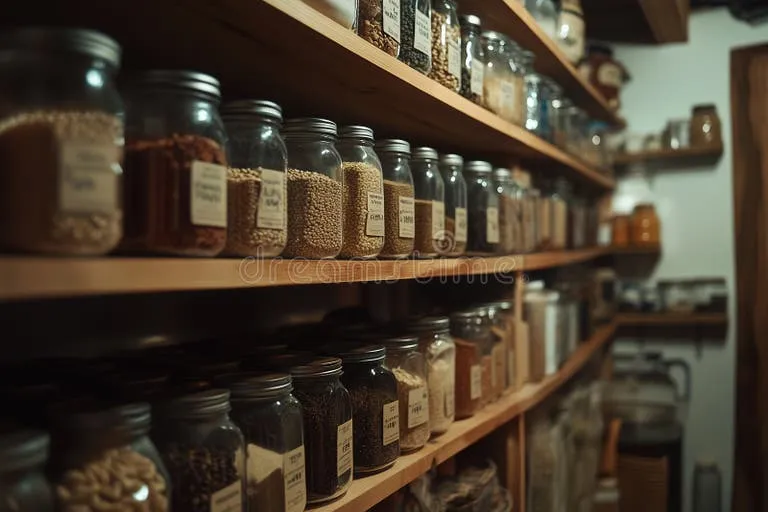
Even the finest spice is only as good as the conditions in which it is stored. Heat, light, and moisture are the enemies of volatile oils. Whole spices—purchased in that form whenever possible and ground as needed—retain their potency significantly longer than pre-ground alternatives. Airtight glass containers kept in a cool, dark cabinet are the standard; a dedicated spice drawer away from the stove is ideal.
Label each container with the purchase date and source. Establish a practice of reviewing the collection seasonally, replacing anything that has lost its fragrance, and restocking with intention. A smaller collection of genuinely potent spices will always outperform a larger one of diminished quality.
The Philosophy of a Flavor Library
A well-curated spice collection is, in its way, an expression of the same values that define an abundant, intentional kitchen: the belief that quality is worth pursuing, that provenance matters, and that the act of cooking is elevated when its ingredients carry meaning. Each jar in a thoughtfully assembled flavor library represents a specific place, a specific harvest, and the labor of growers who have cultivated their craft across generations.
When you open a tin of Pimentón de la Vera or bloom a few threads of Kashmiri saffron in warm cream, you are not simply adding flavor—you are connecting your table to a wider world of artisanal excellence. That connection is, in itself, a form of abundance worth celebrating.