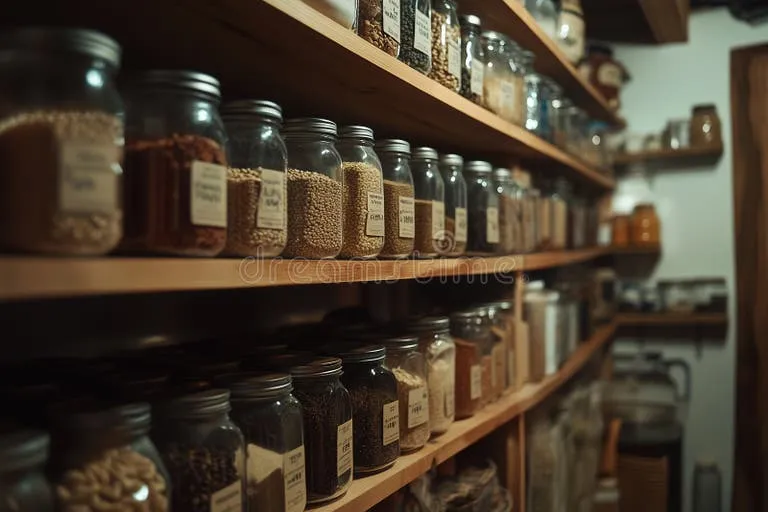
Ancient Grains, Modern Kitchens: How Heritage Wheat Varieties Are Transforming American Artisan Bread
There is a particular kind of satisfaction that comes from tasting a loaf of bread and immediately recognizing that something is different — not merely better in a vague, marketing-driven sense, but genuinely, measurably more complex. A slower fermentation, a deeper crust color, a crumb that carries the faint suggestion of hazelnuts or wildflower honey. For a growing number of American home bakers and specialty bread enthusiasts, that experience is becoming synonymous with heritage and heirloom grain varieties — ancient wheats that commercial agriculture largely abandoned over the course of the twentieth century in favor of high-yield, standardized cultivars.
At Blessings Cornucopia, we believe that abundance is not simply a matter of quantity. True abundance lies in the richness of flavor, the integrity of ingredients, and the stories embedded in what we choose to bring to our tables. Heritage grains embody all three of these values, and the artisan bakers and grain farmers who champion them are making a compelling case that the future of exceptional bread is, in many ways, deeply rooted in the past.
What Are Heritage Grains, and Why Did We Lose Them?
Heritage grains — sometimes called heirloom or landrace varieties — are wheat cultivars that were developed and cultivated before the widespread adoption of modern, hybridized commercial wheat in the mid-twentieth century. Varieties such as Red Fife, a Canadian wheat dating to the 1840s; emmer, one of the earliest domesticated grains in human history; einkorn, a single-grained wheat that predates the Roman Empire; and spelt, a staple of medieval European agriculture, all fall under this broad category.
The shift away from these varieties was driven largely by industrial efficiency. Modern wheat was bred to produce higher yields per acre, to withstand mechanical harvesting, and to perform consistently in high-speed commercial baking environments. What was sacrificed in that trade-off, many bakers and nutritionists now argue, was flavor complexity, nutritional density, and the regional character — the terroir — that made each grain variety a product of its specific landscape and climate.
"When you mill Red Fife that was grown in the Palouse region of Washington, you are tasting that soil, that rainfall, that particular growing season," says one Pacific Northwest grain farmer who has dedicated the past decade to cultivating heritage varieties on certified organic land. "There is no commodity wheat that can replicate that. It simply does not exist."
The Artisan Bakers Leading the Revival
Across the United States, a community of dedicated bakers has formed around the sourcing and use of heritage grains, often building direct relationships with small-scale farmers and regional stone mills. In cities from Portland, Oregon, to Asheville, North Carolina, specialty bakeries are publishing the provenance of their grain on their menu boards the way fine restaurants list the farms behind their produce.
One prominent voice in this movement is a San Francisco-area baker who spent years working in traditional European bakeries before returning to the United States with a singular mission: to bake sourdough using only regionally grown, stone-milled heritage flours. "The first time I baked a pure einkorn loaf, I understood immediately why people ate this grain for thousands of years," she explains. "It has this almost buttery, slightly sweet quality that modern wheat simply cannot approximate. The fermentation behaves differently, the dough feels different in your hands, and the finished bread is genuinely unlike anything else."
This hands-on, sensory relationship with grain is a hallmark of the heritage movement. Because many ancient wheat varieties have different gluten structures than modern bread flour — often more extensible, sometimes less elastic — they require a baker's intuition and adaptability rather than rigid adherence to standardized recipes.
Understanding the Flavor Profiles
For home cooks approaching heritage grains for the first time, understanding the distinct characteristics of each variety is an invaluable starting point.
Red Fife is perhaps the most accessible entry point. Its flavor is warm and wheaty with a mild nuttiness, and it performs reasonably well in a variety of bread applications, from simple sandwich loaves to rustic sourdough boules. It is widely available through specialty online mills and is an excellent first heritage grain for curious home bakers.
Emmer (sometimes labeled as farro in its whole-berry form) carries a more pronounced earthiness and a slightly higher protein content than many other heritage varieties. It produces loaves with a dense, satisfying crumb and a complex, almost savory finish. It pairs beautifully with seeds and whole-grain inclusions.
Einkorn is the most delicate of the common heritage wheats, with a golden color, a rich buttery flavor, and a notably different gluten structure that can challenge bakers accustomed to conventional flour. Its low gluten extensibility means that recipes developed for standard flour will require significant adjustment, but the reward — a loaf with extraordinary depth of flavor — is well worth the learning curve.
Spelt occupies a middle ground between ancient and modern, having remained in modest commercial production throughout the twentieth century, particularly in Europe. It is nutty, slightly sweet, and more forgiving than einkorn, making it an approachable bridge grain for those transitioning toward heritage varieties.
Sourcing Heritage Grains: A Practical Guide for Home Bakers
Finding high-quality heritage grain flours has become considerably easier over the past decade, thanks to the growth of regional stone mills and direct-to-consumer online retailers. The following sources are particularly well-regarded within the American artisan baking community:
- Anson Mills (ansonmills.com), based in Columbia, South Carolina, is a pioneer in the American heritage grain movement, offering an exceptional range of stone-milled flours, including Carolina Gold rice wheat and a variety of heirloom corn products.
- Barton Springs Mill in Dripping Springs, Texas, sources heritage grains from regional farmers and mills them fresh to order, shipping directly to home bakers nationwide.
- Camas Country Mill in Oregon's Willamette Valley offers a rotating selection of regionally grown heritage and specialty flours, with a strong emphasis on transparency around farming practices.
- Janie's Mill in Ashkum, Illinois, mills certified organic heritage and specialty flours from grains grown on their own farm, making them an excellent source for Midwest-grown varieties.
When purchasing heritage grain flours, it is advisable to store them in an airtight container in the refrigerator or freezer, as the higher oil content in stone-milled whole grain flours can cause them to go rancid more quickly than refined commercial flours.
A Starter Recipe: Red Fife Country Loaf
For those ready to bring heritage grains into their own kitchen, a simple country-style loaf using Red Fife flour is an ideal beginning. The following formula is adapted for home bakers working with a basic sourdough starter.
Ingredients:
- 350g Red Fife whole wheat flour
- 150g unbleached all-purpose flour (to aid structure)
- 375g filtered water, divided
- 100g active sourdough starter (100% hydration)
- 10g fine sea salt
Method: Combine 350g of water with the flours and mix until no dry flour remains. Allow to rest (autolyse) for 45 minutes. Add the starter and remaining water, incorporating thoroughly. After 30 minutes, add the salt. Perform four sets of stretch-and-folds at 30-minute intervals, then allow the dough to ferment at room temperature for an additional two to three hours, depending on ambient temperature. Shape gently, place in a well-floured proofing basket, and refrigerate overnight. Bake in a covered Dutch oven at 500°F for 20 minutes, then uncovered at 475°F for an additional 20 to 25 minutes, until deeply bronzed.
The resulting loaf will be noticeably more aromatic during baking and will carry a flavor complexity — a gentle sweetness, a whisper of grain — that speaks directly to the heritage of what you have chosen to bake with.
The Broader Significance
The heritage grain movement is not merely a culinary trend. It represents a meaningful reckoning with questions of agricultural biodiversity, regional food identity, and the relationship between what we eat and where it comes from. Every loaf baked with Red Fife or emmer is, in a small but genuine way, a vote for the preservation of genetic diversity in our food system and for the farmers willing to cultivate crops that prioritize quality over yield.
At Blessings Cornucopia, we find that abundance is most fully realized when it is intentional — when every ingredient on the pantry shelf has been chosen with care and purpose. Heritage grains, with their extraordinary depth of flavor and their living connection to agricultural history, represent precisely that kind of intentional abundance. We encourage every discerning home cook to seek them out, to experiment with them, and to discover, loaf by loaf, what has been waiting to be rediscovered.