The Considered Pantry: Curating a Collection of Exceptional Ingredients, Season by Season
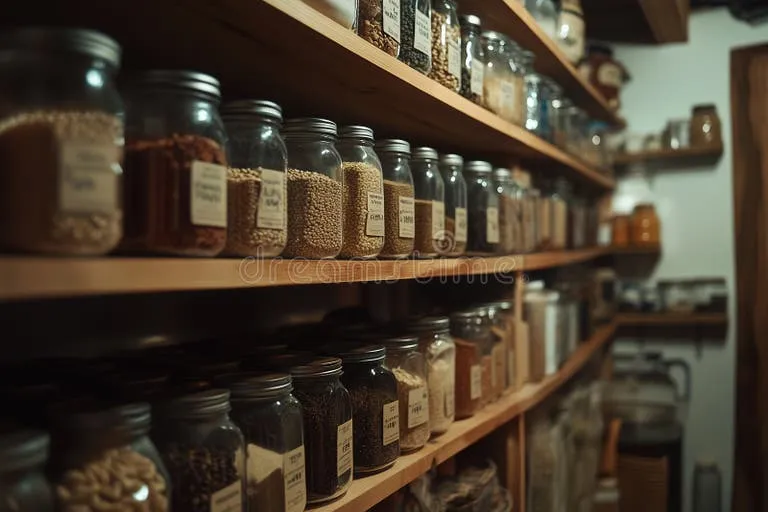
Photo: gourmet pantry specialty ingredients artisan products organized shelves food styling, via thumbs.dreamstime.com
The word "pantry" once described a room dedicated to the preservation and organization of provisions — a physical manifestation of a household's commitment to eating well throughout the year. While most American homes have reduced this concept to a single cabinet or a stretch of shelving, the underlying philosophy remains as relevant as ever: the quality of what you keep on hand determines, in large part, the quality of what you are able to cook.
At Blessings Cornucopia, the pantry is not merely a storage space. It is a curated collection — a reflection of the cook's values, curiosity, and commitment to ingredients that genuinely elevate the everyday. Building such a collection requires neither an unlimited budget nor a professional kitchen. It requires, instead, a willingness to invest selectively, to understand what makes certain products worth their premium price, and to think in terms of seasons rather than impulse purchases.
What follows is a practical framework for assembling an exceptional pantry over the course of a full calendar year, organized by season to align your sourcing with the rhythms of the culinary world and the natural availability of the finest specialty products.
The Philosophy of Selective Investment
Before addressing specific ingredients, it is worth establishing a foundational principle: not every item in your pantry needs to be artisanal or premium. The goal is strategic elevation — identifying the specific ingredients that function as flavor multipliers in your cooking and investing in the finest available versions of those, while maintaining sensible economy elsewhere.
A bottle of exceptional aged balsamic vinegar from Modena, for example, will transform a simple plate of roasted vegetables or a wedge of Parmigiano-Reggiano into something genuinely memorable. Its cost per use, when calculated across the many months a small bottle will last, is often far lower than it first appears. The same logic applies to single-origin vanilla, high-quality smoked salts, and fermented condiments. These are not extravagances; they are investments in the quality of your daily cooking.
Winter: The Foundation Ingredients
Winter is the natural season for building the structural core of a specialty pantry — the long-lasting, deeply flavored ingredients that will serve as the backbone of your cooking throughout the year.
Aged Balsamic Vinegar of Modena (Aceto Balsamico Tradizionale) is among the most transformative pantry investments a home cook can make. True traditional balsamic — as distinct from the commercial balsamic vinegar found on most grocery store shelves — is aged for a minimum of twelve years (and often twenty-five or more) in a series of progressively smaller wooden barrels. The result is a thick, syrupy condiment of extraordinary complexity, carrying notes of dried fig, dark cherry, and warm spice. A single teaspoon drizzled over aged cheese, strawberries, or a slow-braised meat transforms the dish entirely. Reputable sources include specialty Italian importers and select online retailers such as Gustiamo (gustiamo.com), which works directly with small Italian producers.
Single-Origin Vanilla is another winter staple worth the investment. Vanilla beans and extracts vary enormously in quality and character depending on their origin. Tahitian vanilla carries floral, cherry-like notes; Madagascar Bourbon vanilla is rich and creamy; Mexican vanilla is earthy and slightly smoky. Purchasing single-origin beans or extract from a transparent supplier — such as Heilala Vanilla or Native Vanilla — allows you to tailor your choice to your baking style and ensures you are working with a genuinely superior product.
High-Quality Olive Oil purchased in winter, when many of the finest new-harvest oils from California, Italy, and Greece arrive in the United States, ensures access to oil at its peak freshness and flavor. Look for harvest-dated bottles and purchase from producers who prioritize early harvest and cold extraction. The California Olive Ranch Destination Series and Brightland are among the American producers worth exploring.
Spring: Brightening the Collection
As the culinary calendar turns toward lighter, more vibrant preparations, spring is the ideal time to add ingredients that will amplify fresh flavors and bring acidity, brightness, and fermented complexity to your cooking.
Artisanal Vinegars beyond balsamic deserve a place in every serious pantry. A well-aged sherry vinegar from Jerez, Spain, carries a nutty warmth that enriches salad dressings and pan sauces. A raw, unfiltered apple cider vinegar from a small American orchard (Bragg is widely available, though smaller producers such as Shady Brook Farm offer more complex options) brings a lively, fruity acidity to marinades and slaws. A good champagne vinegar, delicate and refined, is invaluable for vinaigrettes where subtlety is desired.
Fermented Condiments are among the most exciting categories in the contemporary specialty food market. From Korean gochujang and Japanese miso to American-made lacto-fermented hot sauces and artisanal fish sauce, these products deliver the kind of layered, umami-rich depth that elevates everything they touch. Spring is an excellent time to explore this category, as many small-batch producers release new ferments after the winter months. Bubbies, Grillo's, and a growing number of regional fermenters offer outstanding options through specialty retailers and farmers' markets.
Smoked Salts represent one of the most cost-effective ways to add dramatic complexity to a dish. Unlike liquid smoke, which can taste artificial, a well-made smoked salt — produced by slow-smoking fleur de sel or coarse sea salt over specific woods — carries a clean, authentic smokiness that enhances grilled meats, roasted vegetables, chocolate desserts, and even cocktail rims. Maldon Smoked Sea Salt is widely regarded as a reliable benchmark, while smaller producers such as SaltWorks offer a range of wood-specific smoked varieties.
Summer: Celebrating Preservation and Provenance
Summer's abundance makes it the ideal season to add preserved, concentrated, and terroir-driven ingredients that capture peak-season flavors for year-round use.
Single-Origin Honey sourced from small American apiaries is a summer priority. Unlike commodity honey, which is often blended and heat-processed, raw single-origin honey reflects the specific floral landscape of its region — tupelo honey from the Florida Panhandle, sourwood honey from the Appalachian highlands, or wildflower honey from the California Central Valley each carries a distinct character that makes it as interesting as a fine wine. Savannah Bee Company and local farmers' markets are excellent sourcing points.
Specialty Dried Chiles and Spices are best purchased in summer and early fall, when many American spice importers receive fresh harvests. Whole spices — coriander, cumin, cardamom, Aleppo pepper, Urfa biber — purchased from quality importers such as Burlap & Barrel or Curio Spice Co. and ground fresh at home will deliver flavor that pre-ground commercial spices simply cannot match.
Artisanal Pasta and Grain Products from small Italian and American producers make excellent summer additions. Look for pasta made from semolina di grano duro (durum wheat semolina) using bronze-die extrusion, which creates a rough surface that holds sauces beautifully. Rustichella d'Abruzzo and Benedetto Cavalieri are Italian benchmarks; Sfoglini is an outstanding American producer.
Autumn: Depth, Warmth, and the Long Cellar
Autumn's shift toward heartier cooking makes it the natural season for acquiring the deepest, richest, and most complex pantry additions — the ingredients that will anchor the slow braises, roasted dishes, and celebratory meals of the colder months ahead.
Aged and Specialty Soy Sauces are autumn essentials. A tamari-style soy sauce, naturally brewed and aged, offers far more complexity than standard commercial soy sauce and is an invaluable addition to braises, marinades, and finishing sauces. Yamaroku Kikubishio, imported from Japan, is widely considered among the finest available in the United States.
High-Quality Canned and Jarred Products — San Marzano tomatoes with DOP certification, Spanish bonito del norte tuna packed in olive oil, Calabrian chiles in oil, and Castelvetrano olives — form the backbone of autumn and winter cooking. These are ingredients where provenance and production method matter enormously, and where the investment in quality pays dividends in every dish they touch.
Specialty Chocolates and Cacao for the baking season ahead should be sourced in autumn, when new-harvest cacao products begin arriving from origin countries. Single-origin dark chocolate from producers such as Dandelion Chocolate (San Francisco) or Askinosie Chocolate (Springfield, Missouri) offers a window into the extraordinary flavor diversity of cacao grown in different regions of the world.
Building Incrementally: A Cost-Effective Strategy
The most sustainable approach to building a specialty pantry is incremental acquisition — adding one or two premium items per month rather than attempting to assemble the entire collection at once. Prioritize ingredients that appear frequently in your cooking, as these will deliver the greatest return on investment. Join specialty food subscription boxes or co-ops, which often offer discounts on premium products. Follow producers directly on social media for flash sales and seasonal releases. And do not underestimate the value of local specialty food stores, many of which offer sampling opportunities that allow you to evaluate a product before committing to a full-size purchase.
Above all, allow your pantry to reflect your own cooking life — the cuisines you love, the occasions you cook for, the flavors that bring you genuine pleasure. A pantry of abundance is not a status display. It is a living resource, a daily blessing, and a testament to the belief that exceptional ingredients, thoughtfully chosen, make every meal a more meaningful experience.