Rendered and Redeemed: The American Artisans Restoring Lard to Its Rightful Place in the Kitchen
There is a particular kind of reclamation happening in small butcher shops, on family hog farms, and inside the kitchens of America's most thoughtful food producers. It is quieter than the sourdough revival and less photographed than the artisan cheese movement, yet it carries equal weight for anyone who cares deeply about the quality of what fills their pantry. Lard — that long-dismissed rendered pork fat — is being reconsidered, and the people doing the reconsidering are taking it very seriously indeed.
For most of the twentieth century, lard suffered a reputation built on misunderstanding and aggressive marketing by vegetable oil companies eager to capture the American cooking fat market. Crisco arrived in 1911 with promises of purity and modernity, and lard was gradually reframed as old-fashioned, unhealthy, and unrefined. What was lost in that cultural shift was considerable: the extraordinary flavor lard imparts to pie crusts, the remarkable smoke point that makes it exceptional for high-heat cooking, and the nuanced, porky depth it lends to everything from tamales to roasted vegetables.
The Heritage Breed Foundation
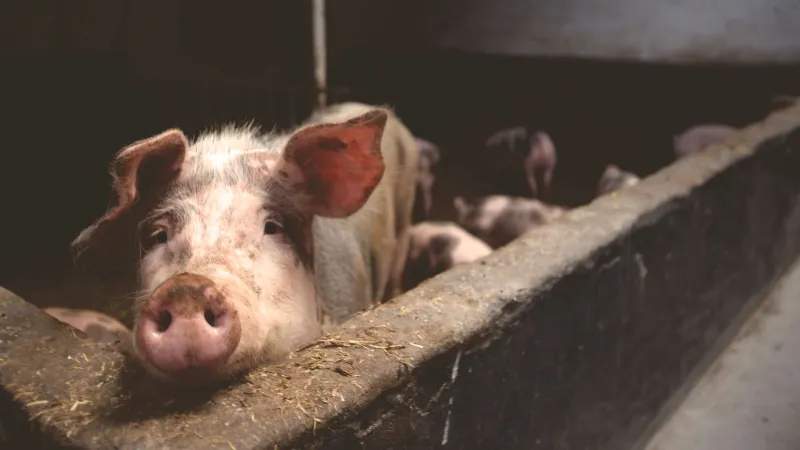
The artisan lard movement did not emerge in isolation. It grew directly from the broader heritage breed pork renaissance that has reshaped American small farming over the past two decades. Producers working with Mangalitsa, Red Wattle, Berkshire, and Gloucestershire Old Spot pigs discovered early on that these breeds carry a fundamentally different fat profile than their commodity counterparts. The animals are slower-growing, often pasture-raised, and fed varied diets that include forage, root vegetables, and non-GMO grain. The result is fat that is richer in oleic acid — the same monounsaturated fat celebrated in olive oil — and that carries genuine flavor rather than the neutral blankness of industrial lard.
Small producers across the country, from Vermont to Iowa to the Pacific Northwest, began rendering this fat with care and offering it directly to consumers who had never encountered lard worth noticing. The response, particularly among bakers and chefs, was immediate and enthusiastic.
The Rendering Craft
What separates artisan lard from the shelf-stable blocks found in the supermarket baking aisle is not simply the source animal — it is the rendering process itself. Industrial lard is typically produced at high temperatures that destroy delicate flavor compounds and often requires hydrogenation to extend shelf life, a process that alters the fat's chemical composition entirely. Small-batch producers take a markedly different approach.
Leaf lard — rendered from the dense fat surrounding the pig's kidneys — is widely regarded as the finest grade, prized for its mild flavor and extraordinary shortening properties. Rendered slowly at low temperatures, sometimes in open cast-iron kettles or purpose-built steam-jacketed vessels, it emerges pale, almost white when cooled, with a clean aroma that serious bakers describe as faintly sweet and entirely neutral. Back fat lard, rendered from fat trimmed from the pig's back, carries a slightly more pronounced porcine character and suits savory applications beautifully.
The temperature discipline required is considerable. Rush the process, and the fat browns, acquiring a cooked flavor that limits its versatility. Render it patiently, skimming carefully and straining through fine cloth, and the result is something that merits the word exceptional without apology.
What It Means for the Baker
Among the discerning home cooks who have discovered artisan lard, bakers are perhaps its most ardent advocates. The science behind their enthusiasm is straightforward: lard's fat crystals are larger than those in butter and considerably more varied in size than those in shortening, which means it coats flour proteins more completely and creates a flakier, more tender crumb structure. A pie crust made with quality leaf lard has a texture that butter alone cannot replicate — shatteringly crisp at the edges, yielding in the center, with layers that separate cleanly at the fork.
Beyond pie, artisan lard finds purpose in biscuits that rise with uncommon loft, in tamale masa that achieves the silky cohesion traditional recipes demand, and in pan-fried foods that emerge with a crust of singular crispness. The fat's smoke point — considerably higher than butter and comparable to refined coconut oil — makes it equally suited to searing and roasting, where it contributes a subtle savory richness that neutral oils simply cannot offer.
Finding and Storing Quality Lard
For cooks ready to explore this ingredient, sourcing requires some deliberate effort but is increasingly manageable. Farmers' markets in most major metropolitan areas now include at least one vendor offering rendered lard from pasture-raised pigs. Online purveyors specializing in heritage breed pork products ship directly to home cooks across the country, and a growing number of whole animal butcher shops render and sell their own product. When purchasing, seek out lard that is labeled as leaf lard or pasture-raised, and inquire whether it has been hydrogenated — quality producers will not have taken that step.
Proper storage is straightforward. Unhydrogenated lard is perishable and should be refrigerated, where it will keep comfortably for several months, or frozen for up to a year without meaningful quality loss. Unlike the shelf-stable industrial product, artisan lard will soften noticeably at room temperature, a quality that actually aids the baker working it into dough.
A Fat Worth Celebrating
The return of artisan lard to the American pantry is, in many respects, a story about the limits of convenience and the rewards of curiosity. The cooks who seek it out are not engaging in nostalgia for its own sake. They are responding to something real: an ingredient that performs with distinction, that connects the finished dish to the animal and the farm from which it came, and that carries the kind of honest, uncomplicated flavor that no laboratory has yet managed to synthesize.
For those who curate their kitchens with the same care they bring to selecting wine or choosing between single-origin chocolates, quality lard represents precisely the kind of discovery that makes the pantry a place of genuine abundance. It is rendered, it is redeemed, and for the cook willing to seek it out, it is very much worth the effort.