From Pod to Palette: The American Bean-to-Bar Movement and Its Gift to the Discerning Kitchen
There is a moment, familiar to anyone who has tasted genuinely exceptional chocolate, when the familiar becomes foreign in the best possible way. The bar breaks with a clean snap. The aroma rises — not the flat sweetness of a commercial confection, but something layered: dried fruit, roasted nuts, perhaps a whisper of tobacco or jasmine depending on the origin. The flavor lingers and evolves on the palate in a way that invites reflection rather than mere consumption. This is the experience that America's bean-to-bar chocolate makers have been quietly engineering for the better part of two decades, and it is one that deserves a permanent place in any well-considered pantry.
What Bean-to-Bar Actually Means
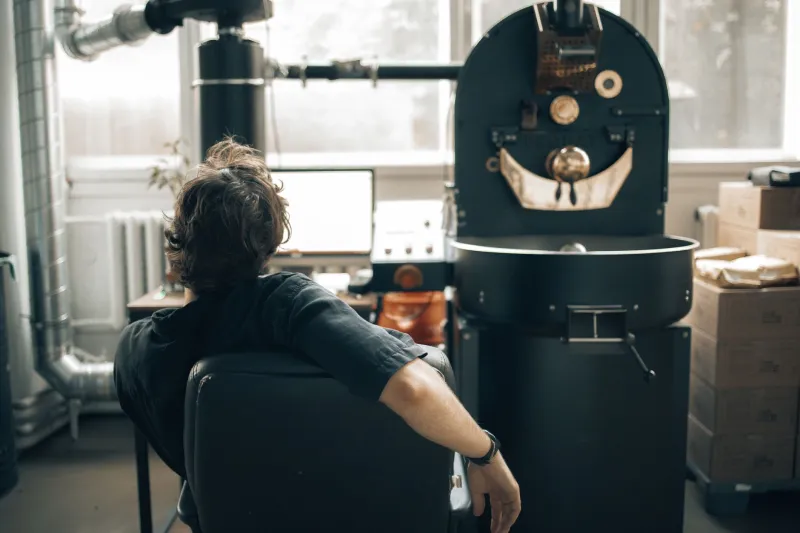
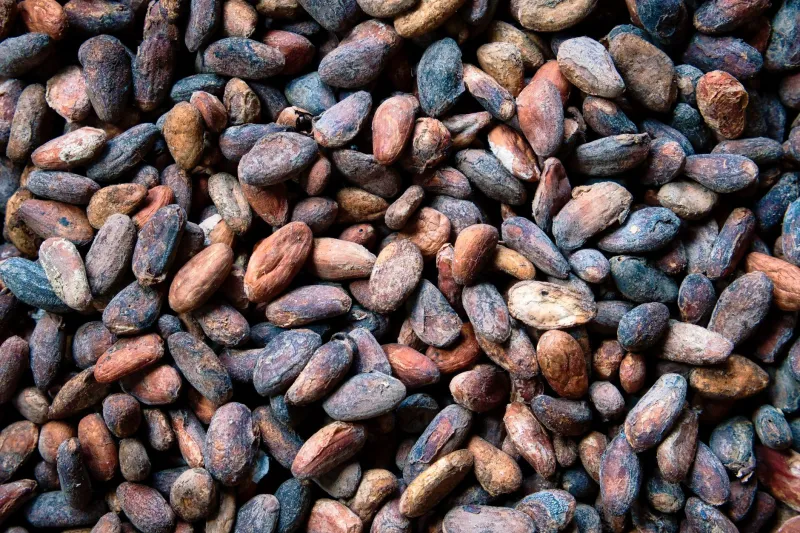
The phrase "bean-to-bar" is not mere marketing language. It describes a specific and demanding commitment: the chocolate maker purchases raw cacao beans directly from farmers or cooperatives, roasts those beans in-house, cracks and winnows them to remove the husks, grinds the resulting cacao nibs into a liquid mass called chocolate liquor, refines that mass with sugar and sometimes additional cacao butter, and finally tempers and molds the finished product. Every step involves deliberate choices that shape flavor.
This stands in sharp contrast to the model used by the vast majority of the world's chocolate industry, in which large manufacturers purchase pre-processed cacao paste or powder from commodity brokers, blending beans from multiple origins to achieve a consistent, neutral baseline. Consistency has its commercial virtues, but terroir — the expression of a specific place in the flavor of an ingredient — is its casualty.
American bean-to-bar makers, drawing explicit inspiration from the specialty coffee movement that reshaped how this country thinks about a morning cup, have reversed that logic entirely. For them, inconsistency is not a defect to be engineered away; it is evidence of a living ingredient responding to its environment.
The Geography of Flavor
Cacao (Theobroma cacao) is a tropical tree cultivated within roughly twenty degrees of the equator, and the flavor of its fermented, dried beans varies dramatically depending on where it grows. Beans from the Peruvian highlands carry a characteristic brightness, often described in terms of red fruit and citrus. Those from Madagascar's Sambirano Valley are celebrated for their pronounced acidity and berry-forward character. Cacao from Guatemala's Alta Verapaz region tends toward earthier, more complex profiles with notes of dried fig and dark spice. Hawaiian-grown cacao — one of the few origins produced domestically — offers a gentler, more tropical expression.
These are not arbitrary tasting notes invented to justify a premium price. They are the product of soil composition, rainfall patterns, fermentation practices, and drying methods — a constellation of factors that a skilled chocolate maker learns to read and respect rather than override.
Small producers such as Dandelion Chocolate in San Francisco, Raaka Chocolate in Brooklyn, Askinosie Chocolate in Springfield, Missouri, and Fruition Chocolate Works in New York's Hudson Valley have each built their identities around the faithful translation of these geographic signatures into finished bars. Visiting their websites or tasting their collections side by side is an education in cacao's range that no amount of reading can fully replicate.
Sourcing with Intention
For the home cook who approaches the pantry as a curated collection rather than a convenience depot, the sourcing story behind bean-to-bar chocolate carries considerable weight. Many American makers maintain direct relationships with specific farming families or cooperatives, visiting origin countries annually, paying prices well above commodity market rates, and publishing detailed information about the farms and communities behind each bar.
This transparency serves more than ethical purposes, though those purposes are genuine and significant. It also creates accountability for quality. When a chocolate maker's name is attached to a specific harvest from a specific farm, the incentive to source exceptional raw material is direct and personal in a way that anonymous commodity purchasing cannot replicate.
When selecting single-origin bars for your pantry, look for makers who disclose the cacao percentage, the origin country, and ideally the specific region or farming cooperative. Vintage or harvest year information, where provided, signals an even deeper commitment to traceability. Labels that list only "cocoa beans" and "sugar" among their ingredients — with nothing else — are often a reliable indicator of quality, as skilled makers find that exceptional cacao requires very little embellishment.
Beyond Dessert: Chocolate as a Pantry Workhorse
One of the most meaningful shifts that bean-to-bar chocolate invites is a reconsideration of where chocolate belongs in the kitchen. The American culinary imagination has long confined chocolate to the dessert column, but this is a narrow reading of an ingredient with remarkable savory range.
High-percentage dark chocolate — seventy percent cacao and above — lends a rounded bitterness and depth to braises and slow-cooked sauces in the tradition of Mexican mole, where its role is structural rather than sweet. Shaved over a composed salad of bitter greens, toasted walnuts, and aged cheese, a single-origin bar with pronounced fruity acidity functions almost as a condiment. Stirred into a chili alongside dried ancho peppers and cumin, even a modest quantity of quality chocolate knits the flavors together in a way that is perceptible without being identifiable.
Cacao nibs — the roasted, hulled cacao bean fragments sold by many bean-to-bar makers as a pantry staple — offer a less sweet, more textural entry point. Sprinkled over oatmeal, folded into granola, or scattered across a board of charcuterie, they introduce a pleasantly bitter crunch that balances richer elements with grace.
Building a Chocolate Pantry
Approaching single-origin chocolate with the same deliberateness one might bring to selecting a fine olive oil or an aged cheese yields the greatest rewards. A thoughtfully assembled collection might include bars from three or four distinct origins — a bright, fruit-forward Madagascan bar; a deeper, earthier Guatemalan or Peruvian expression; perhaps a domestic Hawaiian bar for comparison — alongside a supply of nibs for everyday cooking use.
Storage deserves attention. Chocolate is sensitive to temperature fluctuation, humidity, and foreign aromas. A cool, dry cupboard away from spices and other strongly scented pantry items is preferable to refrigeration, which can introduce moisture and cause the sugar to bloom to the surface, affecting texture if not flavor.
Tasting chocolate with intention, as one might taste wine or olive oil, accelerates the palate's education considerably. Allow a piece to rest on the tongue briefly before chewing. Notice the initial impression, the development through the mid-palate, and the finish. Compare bars from different origins side by side. Over time, the vocabulary of cacao — its terroir, its fermentation character, its roast — becomes as legible as any other fine ingredient in your collection.
A Cornucopia Worth Exploring
The American bean-to-bar movement is, at its core, an argument for abundance of a particular kind: not abundance as quantity, but abundance as depth. The makers who have built their livelihoods around tracing a single pod from a specific hillside in Peru or a valley in Madagascar to a finished bar on your kitchen counter are engaged in the same fundamental project as every artisan producer worth seeking out — the restoration of flavor, story, and craft to ingredients that industrial production had rendered anonymous.
For the home cook who finds genuine pleasure in knowing where things come from and why they taste the way they do, single-origin chocolate is not an indulgence. It is an investment in the quality of everything it touches.