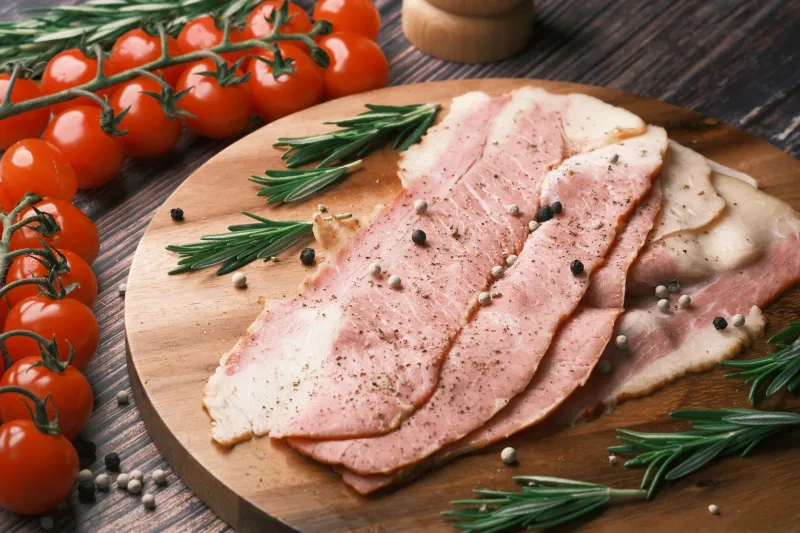
Where Wood Meets Wonder: The American Smokehouse Artisans Turning Pantry Staples Into Flavor Landmarks
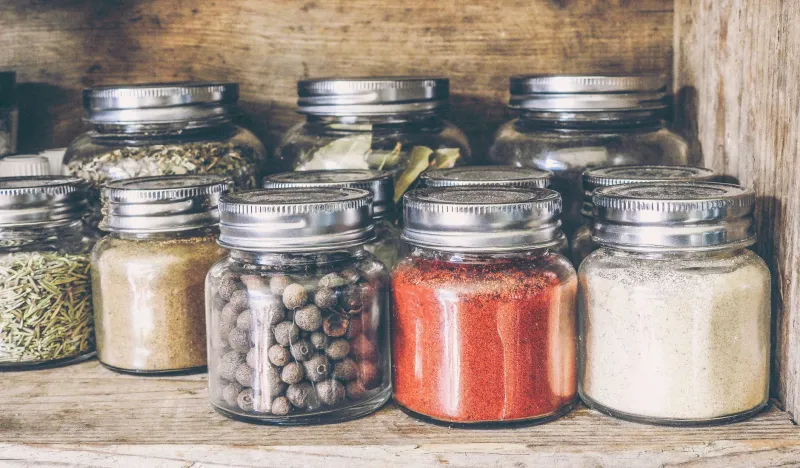
There is a particular kind of patience required to tend a smokehouse properly. It is not the impatient waiting of someone watching a clock. It is the attentive, almost meditative stillness of a craftsperson who understands that time and wood and temperature are collaborators, not adversaries. Across the United States, a growing number of artisans have devoted themselves to this discipline — and they are applying it not merely to the cuts of meat that built the American barbecue tradition, but to an expanding catalog of pantry ingredients that are quietly transforming how thoughtful home cooks build flavor.
Smoked salt. Smoked paprika. Cold-smoked olive oil. Smoked maple syrup. Smoked almonds and walnuts coaxed to a deep, resinous complexity over cherry or pecan wood. These are not novelties or affectations. In the hands of a skilled smokehouse operator, they become what a fine vinegar or a well-aged cheese is to the pantry: a concentrated expression of craft, patience, and terroir that elevates everything it touches.
The Architecture of Smoke
To appreciate what these artisans produce, one must first understand what smoke actually does to an ingredient. At its most fundamental level, smoking is a process of controlled exposure — to heat, to aromatic compounds released by burning wood, and to the passage of time. The specific character of the smoke depends entirely on the wood chosen. Applewood yields a mild, faintly sweet vapor well-suited to delicate ingredients like flaky sea salt or fresh chèvre. Hickory, that quintessentially American hardwood, delivers a more assertive, almost medicinal depth that pairs beautifully with robust spices and aged cheeses. Mesquite burns hot and fast, producing an intensely earthy smoke that can overwhelm a subtle ingredient if the pitmaster is not vigilant.
Beyond wood selection lies the critical distinction between hot smoking and cold smoking. Hot smoking — typically conducted between 165°F and 250°F — cooks while it flavors, making it appropriate for certain nuts, grains, and semi-firm cheeses. Cold smoking, performed well below 90°F, imparts aromatic complexity without altering the texture or moisture content of an ingredient. It is this latter technique that has unlocked an entire universe of smoked pantry possibilities, from silky finishing salts to cold-smoked butter that melts over a piece of grilled fish with breathtaking effect.
Salt as Canvas
Perhaps no ingredient illustrates the transformative potential of artisanal smoking more vividly than salt. In its unadorned form, salt is a flavor amplifier, a preservative, a mineral presence. Introduce it to a cold smoker loaded with alder or oak, however, and something remarkable occurs. The salt crystals, porous and receptive, absorb phenolic compounds from the wood smoke, developing a layered complexity that speaks simultaneously of the sea and the forest.
Artisan producers such as those operating out of the Pacific Northwest and the Carolinas have elevated smoked salt to a genuine pantry staple. Applied as a finishing touch to roasted vegetables, scrambled eggs, or a wedge of ripe tomato, a well-crafted smoked salt does not merely season — it narrates. It tells a brief, elegant story of wood and weather and the particular attention of a human hand.
For the home cook assembling a considered pantry, the advice of experienced smokehouses is consistent: purchase smoked salts in small quantities, store them in airtight glass jars away from heat and humidity, and treat them as you would any fine finishing ingredient — deployed with restraint and intention.
The Spice Cabinet, Reconsidered
American spice culture has long leaned heavily on commercially dried and blended powders of indifferent provenance. The artisanal smokehouse movement is beginning to challenge that habit in the most fragrant way imaginable. Small producers are now cold-smoking whole spices — black peppercorns, cumin seeds, dried chiles, coriander — before grinding them to order, producing a category of smoked spice that bears almost no resemblance to its supermarket counterpart.
Smoked paprika, long associated with imported Spanish pimentón, is now being produced domestically by smokehouse operators who dry and smoke American-grown sweet and hot peppers over fruitwood or oak. The results are striking: a ruddy, aromatic powder with a campfire warmth that enriches everything from deviled eggs to slow-braised short ribs to a simple pot of lentil soup. Several small producers in New Mexico and the Appalachian region have begun experimenting with locally grown pepper varieties, creating smoked spices that reflect their particular agricultural geography in ways that imported products simply cannot replicate.
Cheese, Butter, and the Cold Smoker's Gentle Touch
The intersection of the American artisan cheese movement and the smokehouse tradition has produced some of the most compelling pantry ingredients currently available to the home cook. Unlike the rubbery, artificially flavored smoked cheeses of the grocery store deli case, small-batch smoked cheeses produced by careful artisans occupy an entirely different register.
A well-made cold-smoked cheddar, exposed to applewood smoke for several hours before being aged for additional weeks, develops a bark-like exterior that gives way to a supple, complex interior. The smoke does not dominate; it converses with the lactic notes of the cheese, adding a woody undertone that makes the overall experience richer without obscuring the cheesemaker's craft. Similarly, smoked butter — produced by exposing cultured, high-fat butter to gentle cold smoke — has found a devoted following among home cooks who appreciate what it contributes to a simple pasta, a compound butter for steak, or a batch of cornbread.
Sourcing with Intention
For those new to the world of smoked pantry goods, the sourcing landscape can initially feel overwhelming. A few orienting principles are worth keeping in mind.
First, transparency of process is a reliable indicator of quality. Producers who describe their wood sources, smoking temperatures, and timing in specific terms are generally those most committed to consistency and craft. Vague references to "natural smoke flavor" are a warning sign; that phrase often indicates liquid smoke or artificial flavoring rather than genuine smokehouse production.
Second, freshness matters enormously. Smoked salts and spices lose their aromatic intensity over time, particularly if stored improperly. Purchasing from producers who smoke in small batches and ship promptly ensures that what arrives in your kitchen retains its full expressive character.
Finally, regional identity is worth honoring. Just as a single-origin coffee reflects the soil and climate of its growing region, a smoked salt from the Maine coast or a smoked pecan from a Georgia family farm carries within it a faint but genuine sense of place. Seeking out those regional distinctions enriches the pantry not only in flavor but in story.
A New Grammar of Depth
The American smokehouse tradition has always been about patience and respect — for the animal, for the wood, for the process. What these artisans are now demonstrating is that the same ethos, applied to the humbler ingredients of the everyday pantry, produces results of equal dignity and delight.
A pinch of well-made smoked salt over a bowl of roasted winter squash. A spoonful of smoked paprika stirred into a pot of white beans. A curl of smoked butter melting across a warm slice of sourdough. These are small moments, but they are the moments that distinguish a thoughtful kitchen from a merely functional one. For those who believe that the ingredients we choose are an expression of the care we bring to the table, the work of America's smokehouse artisans represents an abundance well worth celebrating.