From Local Grain to Ancient Depth: How American Makers Are Mastering Miso, Dashi, and Koji
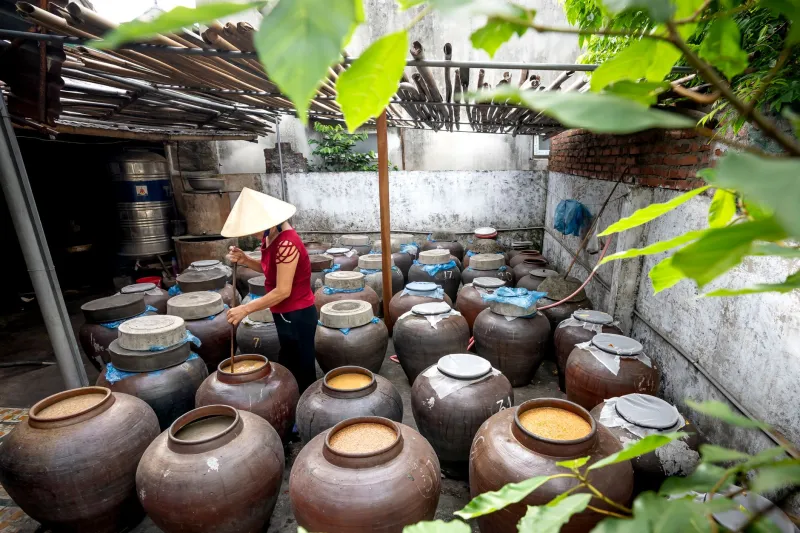
There is a particular patience required to coax flavor from fermentation. Time, temperature, and an intimate understanding of microbial life conspire to transform humble ingredients—soybeans, rice, barley, salt—into something that carries within it a kind of culinary memory. For centuries, that memory belonged almost exclusively to Japan. Today, a quiet but consequential movement is unfolding across American farms and fermentation studios, as a dedicated community of makers stakes its claim on some of the world's most foundational flavor-building ingredients.
Miso. Dashi. Koji. These are not condiments in the conventional sense. They are the architectural underpinnings of an entire culinary philosophy, one built on savory depth, layered complexity, and the particular satisfaction that umami provides to the palate. And increasingly, they are being produced with American grains, American legumes, and American hands.
The Fermentation Renaissance Reaches the Umami Pantry
The broader American fermentation revival—which gave us a flourishing artisan vinegar scene, small-batch hot sauces of genuine character, and a revitalized interest in lacto-fermented vegetables—has now extended its reach into Japanese-derived traditions. What distinguishes this newest wave is the technical rigor it demands. Producing miso or cultivating koji is not a weekend project; it requires months of careful tending, precise humidity control, and an almost meditative attentiveness to process.
Several producers operating across the Pacific Northwest, the Northeast, and the upper Midwest have committed to exactly that discipline. They source non-GMO soybeans from regional farms, work with heritage grain varieties suited to their local climates, and inoculate batches with Aspergillus oryzae—the mold at the heart of koji—that they cultivate and maintain as carefully as any sourdough starter. The resulting misos range from pale, sweet shiro varieties aged for as little as eight weeks to deeply complex mugi and hatcho-style pastes that have spent a year or more in crock or barrel.
Understanding the Ingredients
Miso is, at its most essential, a fermented paste of soybeans, salt, and a koji-inoculated grain or legume. Its flavor profile is determined by the ratio of ingredients, the koji substrate used, and the duration of fermentation. American producers are experimenting with substrates well beyond traditional rice and barley—chickpea miso has found a devoted following among those seeking a soy-free option, while corn-based koji misos offer a distinctly regional character that connects the ingredient to its American context.
Koji itself—grain or legume fully colonized by Aspergillus oryzae—is perhaps the most transformative of the three. Applied as a dry rub or wet paste to proteins, it functions as a rapid-aging agent, breaking down muscle fibers and concentrating flavor in hours rather than weeks. A small number of American producers now sell fresh or dried koji directly to home cooks, an offering that would have been nearly impossible to source domestically a decade ago.
Dashi, the clean, mineral stock that forms the backbone of countless Japanese preparations, is traditionally made from kombu seaweed and katsuobushi—dried, fermented, and smoked bonito. American producers are approaching dashi from two directions: some import premium kombu and katsuobushi to blend into shelf-stable dashi concentrates of exceptional quality, while others are pioneering entirely domestic versions using sustainably harvested Atlantic kelp and domestically produced smoked and dried fish. Neither approach is a compromise; both yield stocks of genuine culinary utility.
Why Domestic Production Matters
The case for American-made miso, koji, and dashi rests on several pillars. The first is transparency. When a producer in Vermont or Oregon sources soybeans from a farm they can name and visit, the ingredient acquires a traceability that mass-imported alternatives rarely offer. The second is freshness. Unpasteurized, living miso—the kind that still contains active cultures—deteriorates during long ocean transit in ways that pasteurized commercial imports do not. Purchasing directly from a domestic producer, or through a specialty retailer who maintains a cold chain, means the cook receives miso at its most vibrant.
The third pillar is creative range. American makers, unbound by strict regional conventions, are producing fermented pastes and stocks that reflect their local environments and culinary imaginations. A miso made with Minnesota-grown red fife wheat and Wisconsin soybeans tastes different from its Japanese counterpart—not inferior, but distinct, expressive of its own place.
Building a Domestic Umami Pantry
For the home cook ready to invest in these ingredients, a few practical considerations apply. Begin with a mild white miso from an American producer and use it as you would any other—dissolved into soups, whisked into salad dressings, blended into compound butters, or used to glaze roasted root vegetables. Its gentle sweetness and restrained salt make it one of the most versatile flavor tools in a well-stocked kitchen.
If fresh or dried koji is available to you, consider applying it to a thick-cut pork chop or a chicken breast before an overnight rest in the refrigerator. The enzymatic activity will tenderize the meat and concentrate its natural sweetness in ways that are difficult to achieve through other means.
For dashi, seek out producers who specify their kombu and protein sources. A well-made dashi concentrate, diluted to taste, brings an oceanic minerality to braising liquids, risotto, and even vinaigrettes that no conventional stock can replicate.
A Pantry Built on Patience
What unites the American makers working in this space is a willingness to subordinate urgency to craft. Miso cannot be rushed. Koji demands daily attention. Dashi rewards the cook who takes the time to source its components thoughtfully. In a food culture that frequently celebrates speed and convenience, these producers are making a deliberate argument for the opposite.
For those who maintain a pantry as a curated collection of exceptional ingredients—one assembled with intention and replenished with care—American-made miso, koji, and dashi represent some of the most rewarding additions currently available. They bring depth that is difficult to replicate, a story worth knowing, and a direct connection to the craftspeople who tend their fermentation crocks with the same dedication a vintner brings to a cellar.
The umami pantry, it turns out, has never been more abundantly American.