Wood, Fire, and Salt: The Artisans Redefining America's Finishing Pantry Through Smoke
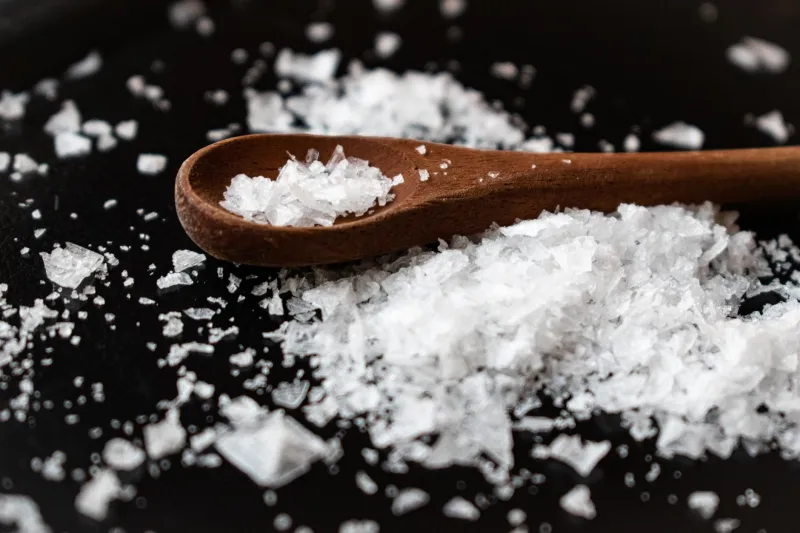
There is a particular kind of alchemy at work when salt and smoke meet. Both are ancient preservatives. Both carry memory — of coastlines, of forests, of the long, patient labor of people who understood that flavor is built over time, not manufactured in an instant. When American artisans began marrying these two traditions in earnest, the result was something that deserves a permanent and honored position in any serious pantry.
Smoked finishing salts have arrived at a cultural moment when home cooks are increasingly attentive to the final gesture of a dish — the last layer of flavor applied just before food reaches the table. These salts are not blended into a brine or dissolved into a sauce. They are meant to be seen, to crunch gently between the teeth, and to release their complex aromatics in the final seconds before a bite. The producers who craft them understand this with precision.
From Pitmaster Tradition to Pantry Craft
The American tradition of slow smoking runs deep, from the hickory-fueled pits of the Carolinas to the mesquite fires of Texas and the applewood smokehouses of the Northeast. What distinguishes today's artisanal smoked salt producers is their deliberate borrowing from these regional identities. Rather than applying a generic smokiness, thoughtful makers are curating the smoke itself — selecting specific hardwoods for their aromatic profiles and adjusting smoke density, duration, and temperature to coax particular characteristics from the salt crystals.
A producer working with Pacific Northwest alder, for example, is drawing on a wood historically used to smoke salmon. The result is a delicate, slightly sweet smoke that flatters seafood, eggs, and even fresh vegetables without overwhelming them. Contrast this with a Tennessee producer smoking over post oak embers for twelve or more hours: the salt that emerges carries a bold, almost leathery depth that was made for red meat and roasted root vegetables. These are not interchangeable products, and the best makers will tell you so plainly.
Some artisans have gone further still, developing proprietary wood blends — combining cherry with pecan, or bourbon barrel staves with applewood — to create signature smoke profiles that cannot be replicated elsewhere. This is the work of obsessive flavor curation, and it elevates smoked salt from a novelty to a genuine expression of place and craft.
The Salt Beneath the Smoke
No smoked finishing salt can be better than the base salt from which it is made, and the most serious producers know this. Many source their crystals with the same care a winemaker gives to the choice of oak barrel. Flaky pyramid salts from the Pacific coast, coarse fleur de sel harvested from domestic solar evaporation ponds, and even mineral-rich lake salts from the interior West all bring distinct textural and flavor foundations to the smoking process.
The crystal structure matters enormously. Large, irregular flakes offer more surface area for smoke compounds to adhere to, resulting in a more pronounced aromatic character. Fine-grain salts, by contrast, absorb smoke more uniformly and are better suited to applications where the cook wants even distribution — a smoked butter, a spice rub, or a finishing touch on a charcuterie board.
For the home cook, this means that selecting a smoked salt is a genuinely layered decision: wood species, smoke method, base crystal, and intended application all warrant consideration.
Practical Abundance: Bringing Smoked Salts Into Your Kitchen
The temptation, upon acquiring a beautiful jar of artisanal smoked salt, is to use it sparingly and ceremonially. While restraint is appropriate — these are finishing salts, after all — there is no reason to be timid about incorporating them into everyday cooking.
A pinch of applewood-smoked flake salt over sliced avocado or a soft-boiled egg transforms the ordinary into something that demands attention. Smoked salts dissolved into a compound butter and melted over grilled corn or a thick-cut pork chop bring a campfire complexity that no liquid smoke product can approximate. Bakers, too, have discovered that a scattering of smoked salt over dark chocolate cookies or caramel tarts creates a savory counterpoint that makes the sweetness sing.
For those who entertain, a small ramekin of house smoked salt at the table — offered alongside a roast or a cheese board — is both a practical seasoning tool and a conversation piece. Guests invariably ask about it.
Sourcing with Intention
When seeking out artisanal smoked salts, look for producers who are transparent about both their salt source and their smoking process. The best makers will specify the wood species used, the duration of smoking, and the origin of the base salt. Vague descriptors such as "natural smoke flavor" are a signal that the product may have been manufactured through chemical processes rather than actual wood combustion — an important distinction for those who value authentic craft.
Farmers markets, specialty food shops, and curated online marketplaces that focus on small-batch American producers are the most reliable sources. When possible, purchase in smaller quantities and taste broadly across producers before committing to a single favorite. The regional diversity of American smoked salt production is one of its great pleasures, and there is real abundance to be discovered in the exploration.
The smoke keepers of American artisan food are doing something quietly profound: they are preserving regional wood traditions, honoring the craft of salt harvesting, and delivering both to the home cook in a form that is immediately and deliciously useful. That is a blessing worth seeking out.