Salt, Time, and Heritage: How America's Small-Batch Charcutiers Are Redefining the Cured Meat Tradition
There is a particular stillness to a proper curing cellar. The air carries the faint mineral tang of salt, the quiet perfume of dried herbs, and something older — the scent of patience itself. It is in spaces like these, tucked behind butcher counters in Vermont, beneath farmhouse kitchens in the Carolinas, and inside converted warehouses in the Pacific Northwest, that a remarkable renaissance in American charcuterie is quietly unfolding.
For much of the twentieth century, cured meats in the American pantry were largely the domain of industrial producers: uniform, shelf-stable, and optimized for consistency rather than character. That era is not entirely behind us, but it is increasingly being challenged by a growing network of small-batch artisans who have committed themselves to the slower, more demanding path of traditional curing. These are the smoke whisperers, the salt keepers — craftspeople who measure their work not in production runs but in weeks, months, and sometimes years of careful tending.
The Heritage Breed Imperative
At the foundation of exceptional charcuterie lies exceptional pork, and the artisans leading this revival are unanimous on one point: breed matters enormously. Where commodity production relies on lean, fast-growing hog varieties bred for yield, the finest small-batch curers have turned to heritage breeds — Berkshire, Red Wattle, Mangalitsa, and Ossabaw Island among them — whose genetics produce meat with a dramatically different fat profile, muscle structure, and flavor potential.
The fat in a well-raised Mangalitsa, for instance, carries a silky, almost buttery quality that transforms during curing into something of genuine complexity. Red Wattle pigs, prized for their docile temperament and richly marbled flesh, lend a distinct sweetness to finished salumi that commodity pork simply cannot replicate. For many artisan curers, the relationship with heritage breed farmers is not merely transactional — it is the cornerstone of their entire operation, built on shared values around animal husbandry, pasture management, and the understanding that what an animal eats and how it lives will ultimately arrive on the palate.
Sourcing for these producers often means working directly with small family farms, sometimes within a single county, and accepting the seasonal variability that comes with raising animals in a more natural cadence. It is a commitment that adds complexity and cost, but it also adds something that cannot be manufactured: genuine provenance.
The Spice Vault: Hand-Ground Cure Blends as Artisan Signature
If heritage pork provides the canvas, the cure blend provides the painter's signature. Salt remains the essential agent — drawing moisture, inhibiting spoilage, and fundamentally altering the protein structure of the meat — but beyond that foundation, the combinations of spices, aromatics, and herbs that artisan curers employ are as individual as a chef's palate.
Many of the most accomplished small-batch producers grind their own spice blends from whole dried ingredients, a practice that yields dramatically more volatile aromatics than pre-ground commercial mixes. Juniper berries crushed the morning of curing, toasted fennel pollen sourced from a single California producer, hand-harvested wild black pepper from a trusted importer — these are not affectations but functional choices that produce measurably more nuanced results in the finished product.
Regional American traditions are also informing cure compositions in fascinating ways. Curers in the South are revisiting the use of cane syrup, smoked paprika, and even dried chiles in their rubs, echoing the flavor preferences of the region's long curing history. New England producers are incorporating local maple, dried wild mushrooms, and native herbs. In the Mountain West, juniper and sage appear with frequency, grounding cured meats in the landscape from which the animals themselves were raised.
Aging as Craft: Cellars, Time, and Terroir
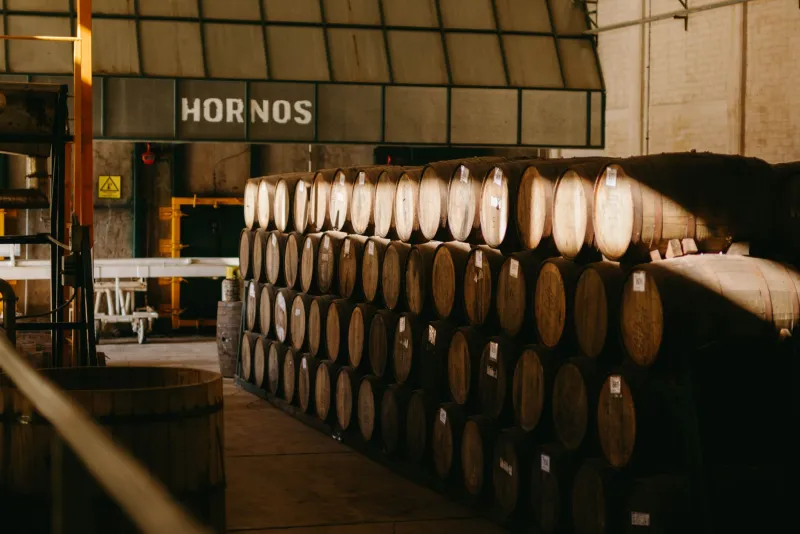
Once salted, spiced, and bound, a cured meat enters its most contemplative phase: the long wait. Aging chambers and cellars, whether naturally occurring or carefully climate-controlled, are where the true transformation occurs. Enzymes break down proteins into amino acids, fats oxidize gently into aromatic compounds, and the interplay of humidity, airflow, and temperature shapes the final texture and flavor in ways that cannot be rushed without consequence.
The finest American producers speak of their aging environments with the same reverence that winemakers reserve for their cellars. Some seek out historic stone structures or naturally cool basements that maintain consistent humidity without mechanical assistance. Others have invested in precision-controlled chambers designed to mimic the mountain caves of traditional European curing regions. A few have even begun exploring the concept of American charcuterie terroir — the idea that the specific microbial environment of a given place leaves its imprint on the finished product, much as it does in the world of natural cheese.
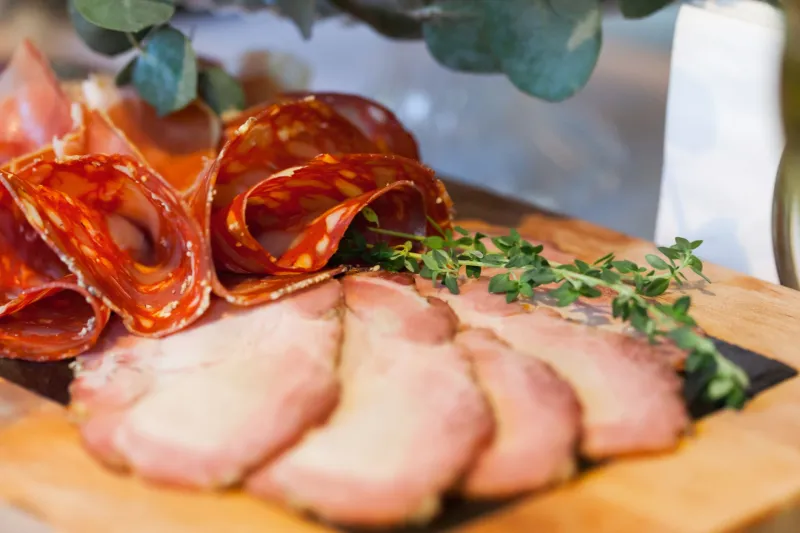
For home cooks, this dimension of the craft offers a compelling entry point. A charcuterie board assembled from the products of two or three regional American curers becomes, in effect, a tasting of place — an opportunity to experience how geography, climate, breed, and individual craft sensibility converge in a thin slice of cured meat.
Sourcing Exceptional Cured Meats for Your Kitchen
Building a relationship with artisan charcuterie producers requires only a modest investment of attention. Farmers' markets in most metropolitan areas now feature at least one small-batch curer, and direct-to-consumer shipping has made it possible to order from producers across the country with relative ease. Several curated online marketplaces specializing in American artisan foods have emerged as reliable sources, offering selections that rotate seasonally and include detailed notes on breed sourcing and aging methods.
When evaluating a new producer, a few questions are worth asking: Does the producer name their heritage breed sources? Are cure blends made in-house from whole spices, or do they rely on commercial mixes? What is the minimum aging period for their flagship products? The answers will tell you a great deal about the level of craft and intention behind what you are purchasing.
Beyond the charcuterie board — lovely as that occasion is — these exceptional cured meats reward deeper kitchen integration. A few thin slices of well-aged lonza draped over a warm bowl of polenta transform a simple weeknight dish. Slivers of artisan guanciale rendered slowly in a pan bring a depth to pasta sauces that no other ingredient can quite replicate. Thinly sliced coppa folded into a composed salad with bitter greens and a sharp vinaigrette offers a lesson in how complexity and restraint can coexist on a single plate.
An Abundance Worth Seeking
The American artisan charcuterie movement is, at its heart, a story about patience — the patience of farmers raising heritage animals over longer timelines, the patience of curers who resist the urge to accelerate what time alone can accomplish, and ultimately the patience of cooks and food lovers willing to seek out and invest in ingredients of genuine distinction.
What these producers offer is not merely a premium product. It is a reconnection with a way of thinking about food that prizes depth over convenience, provenance over uniformity, and the accumulated wisdom of tradition over the efficiencies of scale. In that sense, their work belongs to the same broad current animating so much of what is most vital in American food culture today — a return to the understanding that the finest ingredients carry within them the full story of their making.
To bring artisan cured meats into your kitchen is to participate in that story. It is, in the most literal sense, a blessing worth savoring.