Rediscovering the Humble Pod: Heirloom Legumes and the American Growers Restoring Flavor to the Bean
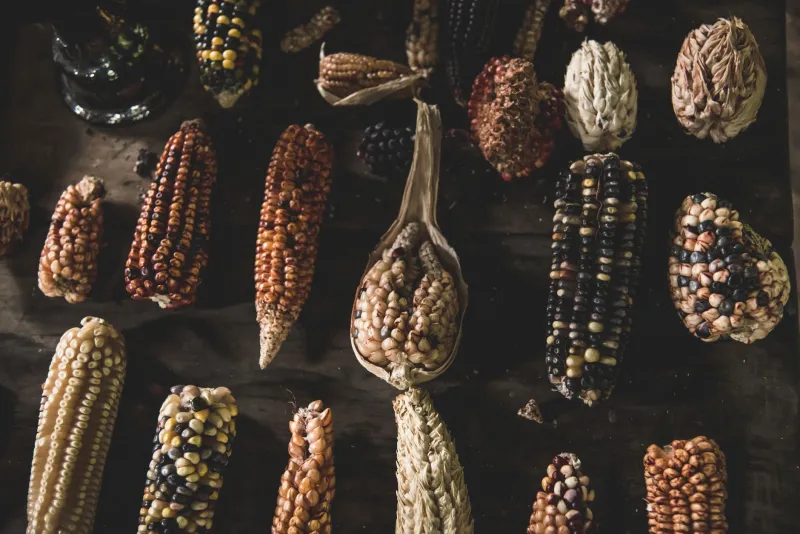
There is a particular kind of satisfaction in opening a bag of dried beans and encountering something genuinely unexpected: a mottled purple-and-cream Calypso, a garnet-streaked Hidatsa Shield Figure, or a small, wrinkled specimen that looks nothing like the pale, anonymous navy beans lining grocery store shelves. These are heirloom legumes—varieties preserved across generations, often by farming families and Indigenous communities whose relationship with the land stretches back centuries. Today, a growing community of specialty growers, seed savers, and small-scale farmers across the United States is working to return these remarkable ingredients to American tables.
For the home cook who has grown accustomed to beans as a utilitarian backdrop—a protein source rather than a flavor destination—the encounter with a true heirloom variety can be revelatory.
What Sets Heirloom Legumes Apart
The distinction between an heirloom bean and its commodity counterpart begins long before the pot reaches the stove. Commodity beans—the Great Northerns, the pintos, the black beans sold in five-pound bags—are bred and cultivated with efficiency in mind: uniform size for mechanical harvesting, consistent moisture content for long-distance shipping, and predictable cook times for industrial food processing. What is sacrificed in this optimization is precisely what makes food worth eating: character.
Heirloom varieties, by contrast, have been selected over decades or centuries for taste, regional adaptability, and culinary performance. A Dragon Tongue bean grown in the Pacific Northwest carries a nutty, almost chestnut-like sweetness that deepens when simmered slowly. The Appalachian greasy bean—so named for the absence of a fibrous string along its pod—delivers a silky, rich broth that reflects the mountain hollows where it has been cultivated since at least the eighteenth century. The Scarlet Runner, with its dramatic purple-black skin and meaty interior, brings an earthy robustness to soups and braises that no commodity variety can approximate.
Beyond flavor, many heirloom legumes exhibit nutritional profiles that differ meaningfully from modern cultivars. Research from seed preservation organizations and agricultural universities has indicated that older varieties often contain higher concentrations of antioxidants, trace minerals, and complex starches—compounds that contribute both to the beans' distinctive colors and to their slower, more satisfying digestion.
The Seed Savers Behind the Revival
The survival of these varieties owes a great deal to a network of dedicated individuals who recognized, often decades ago, that agricultural biodiversity was eroding at an alarming rate. Organizations such as Seed Savers Exchange, based in Decorah, Iowa, have catalogued and distributed thousands of open-pollinated vegetable and legume varieties since the 1970s, functioning as a living library of genetic heritage. Their annual seed catalog reads less like a gardening supply list and more like a historical document, with entries tracing specific bean varieties to the families and regions that stewarded them.
In Appalachia, community seed banks and agricultural extension programs have worked alongside elder farmers to preserve locally adapted varieties that exist nowhere else on earth. The Grit and Grace Farm in western North Carolina, for example, cultivates dozens of heirloom bean types—many sourced directly from families who have grown the same seeds for five or six generations—and sells them through regional farmers' markets and a small online storefront. Similar enterprises have taken root from the upper Midwest to the high desert of New Mexico, where Pueblo communities continue to grow ancestral tepary beans in the same arid soils their ancestors farmed.
For many of these growers, the work is as much cultural preservation as it is agriculture. The beans carry stories: of migration, of famine survived, of harvest festivals, of grandmothers who tucked seeds into apron pockets. To grow them is to keep those stories alive.
A Guide to Notable Varieties Worth Seeking
For those new to the world of heirloom legumes, the sheer variety can feel overwhelming. A few starting points, each representing a distinct regional tradition and culinary application:
Calypso (also called Yin Yang or Orca): A striking black-and-white bean with a firm texture and mild, slightly sweet flavor. Excellent in salads and grain bowls where its dramatic appearance can be appreciated. Grown widely in the Pacific Northwest.
Appalachian Greasy Bean: A pole bean traditionally dried and strung for winter storage. When cooked low and slow with aromatics, it produces an extraordinarily silky broth. Sourced best from Appalachian seed companies and regional farm stands.
Hidatsa Shield Figure: A Native American variety from the Northern Plains with a rich, complex flavor well-suited to long braises and stews. Available through several heritage seed companies and Indigenous food sovereignty organizations.
Rancho Gordo's Marcella Bean: This California-based purveyor has done more than perhaps any single company to popularize heirloom legumes among American home cooks. Their Marcella bean—a creamy, ivory variety named for food writer Marcella Hazan—exemplifies the buttery tenderness that distinguishes a truly exceptional dried bean.
Scarlet Runner: Both ornamental and edible, this large, handsomely patterned bean has deep roots in both European peasant cooking and Indigenous North American foodways. Its dense, meaty texture rewards patient, unhurried cooking.
Sourcing With Intention
The finest heirloom legumes share one characteristic with the finest artisan pantry staples: they are best sourced directly from producers or specialty retailers who can speak knowledgeably about provenance and harvest year. Dried beans, contrary to popular assumption, do not improve indefinitely with age; beans older than two years often resist softening no matter how long they cook. Freshness matters.
Several direct-to-consumer sources have earned particular regard among discerning home cooks. Rancho Gordo (ranchogordo.com), headquartered in Napa, California, remains the most widely recognized name in American heirloom bean commerce, offering an extensive and seasonally rotating selection with detailed tasting notes. Zürsun Idaho Heirloom Beans sources from small farms across the Snake River Plain and has supplied restaurants and specialty food retailers for decades. For Appalachian and Southeastern varieties specifically, Sow True Seed and Southern Exposure Seed Exchange both maintain impressive selections of regionally significant legumes.
Farmers' markets and regional food co-operatives are equally valuable points of contact, particularly in areas with strong agricultural communities. Purchasing directly from a grower allows the home cook to ask the questions that matter: What variety is this? When was it harvested? How was it stored? These are not pedantic inquiries—they are the foundation of informed, intentional sourcing.
Cooking Heirloom Beans Well
The most important instruction for cooking heirloom legumes is also the simplest: slow down. These beans reward patience in a way that their commodity counterparts do not. A long, gentle soak—eight to twelve hours in cool water—followed by a low, unhurried simmer in fresh water with aromatics (a halved onion, a bay leaf, a sprig of thyme, a modest pour of olive oil) will yield beans of extraordinary creaminess and depth.
Salt is a matter of some culinary debate; many experienced cooks recommend adding it only in the final stages of cooking to prevent the skins from toughening prematurely. A splash of acid—lemon juice, a good vinegar, a spoonful of tomato—added at the end will brighten the finished dish considerably.
Perhaps most importantly, taste the broth as you cook. With heirloom beans, the liquid in the pot is not a byproduct to be discarded—it is a rich, complex stock in its own right, worthy of the finest bowl and a good piece of artisan bread alongside it.
The bean, it turns out, was never humble at all. It was only waiting to be properly understood.