Time in a Barrel: The American Craft Vinegar Makers Restoring the Lost Art of Wood Aging
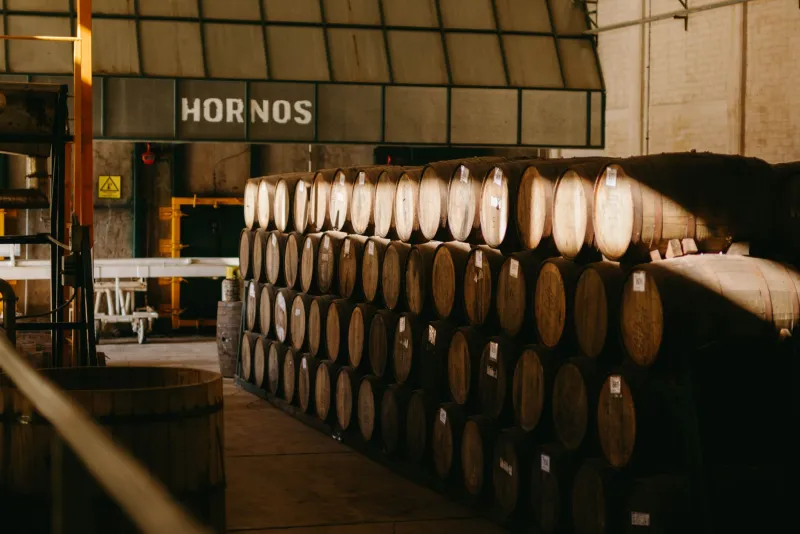
There is a particular patience required to make something truly extraordinary. It cannot be rushed, optimized, or scaled into convenience without cost. This truth, long understood by the makers of great wine, aged cheese, and cured meat, is now being embraced by a small but growing community of American vinegar artisans who have turned their attention to wood — specifically, to the transformative alchemy that occurs when raw, acidic liquid rests inside a carefully chosen barrel for months or, in some cases, years.
The result is a category of ingredient that most American home cooks have never encountered: vinegar that behaves less like a sharp condiment and more like a seasoning of genuine nuance, one capable of contributing warmth, roundness, and layered complexity to a dish rather than mere acidity.
A Tradition Interrupted
For much of American culinary history, vinegar was an afterthought — a utilitarian product produced quickly, bottled efficiently, and priced accordingly. The industrial model that came to dominate the twentieth century prioritized speed above all else, relying on submerged fermentation methods that could produce a finished product in a matter of days. While serviceable for pickling and basic applications, this approach sacrificed everything that time and wood have to offer.
The tradition being revived today has its roots in European practice, particularly in the Orléans method of France and the long-aged balsamic traditions of Modena, Italy. In those regions, vinegar was understood as a living product, one that evolved through years of slow oxidation, microbial activity, and interaction with the tannins, sugars, and aromatic compounds present in wood. American producers, drawing on these precedents while asserting a distinctly domestic identity, are now applying similar principles to locally sourced materials and native ingredients.
What Wood Contributes
To appreciate what barrel aging accomplishes, it helps to understand what is actually happening inside the stave. When vinegar — itself the product of two successive fermentations, first alcoholic and then acetic — is placed into a porous wooden vessel, it begins a prolonged conversation with its container.
Oak, the most commonly employed wood, imparts vanilla, caramel, and toasted notes through the presence of lignin compounds that break down over time. Cherry barrels contribute a subtle fruitiness and a soft, rounded edge. Chestnut, historically used in Italian acetaia traditions, lends an earthy, slightly tannic quality. Mulberry, apple, and even American black walnut are among the more experimental choices being explored by producers willing to push the boundaries of what a vinegar can be.
Beyond flavor, wood aging affects texture. Extended maturation encourages natural concentration as liquid slowly evaporates through the barrel walls, a phenomenon that producers call the "angel's share," borrowing a term familiar to whiskey lovers. The resulting vinegar is denser, more viscous, and more persistent on the palate — qualities that make it a genuinely different ingredient from its commercially produced counterparts.
Voices from the Cooperage
Across the country, a handful of producers are leading this revival with both conviction and craft. In the Pacific Northwest, small operations are aging apple cider vinegar in former bourbon barrels, producing products that carry the memory of both fruits and grain. In the Mid-Atlantic, wine country has given rise to vinegar makers who work directly with estate-grown varietals, aging the resulting product in neutral oak to preserve the wine's character while allowing time to build complexity.
In the Southeast, producers are experimenting with native hardwoods — persimmon, pecan, and hickory — that connect their vinegars to a specifically American landscape. These makers speak of their work in terms that echo those of winemakers and distillers: they discuss terroir, vintage variation, and the challenge of maintaining consistency across batches that may differ meaningfully from one year to the next.
What unites these producers is a shared rejection of the idea that vinegar is merely functional. They regard it as a vehicle for flavor, one that deserves the same thoughtful sourcing, patient production, and careful stewardship that any other fine ingredient demands.
Selecting Premium Aged Vinegar
For the home cook approaching this category for the first time, the landscape can seem both exciting and bewildering. A few guiding principles will serve well.
First, consider the base. The agricultural material from which a vinegar is made — whether apple, grape, pear, or grain — will profoundly shape its character even after aging. A cider vinegar aged in cherry wood will taste markedly different from a red wine vinegar rested in American oak, and both will differ from a grain vinegar matured in chestnut. Understanding the base ingredient is the first step toward predicting how a vinegar will behave in a given dish.
Second, examine the label for aging duration. While a minimum of six months in wood will begin to produce discernible results, the most complex examples typically reflect one to three years of maturation, with some premium products exceeding that considerably. Producers who are proud of their process will generally communicate it plainly.
Third, seek out producers who work with small batches. The artisan vinegar movement, like the craft spirits industry before it, is fundamentally a cottage enterprise. Farmers' markets, specialty food retailers, and producers' own websites are often the most reliable sources for genuine small-batch products.
Bringing Aged Vinegar Into the Kitchen
The most important adjustment a cook must make when working with premium aged vinegar is one of proportion. These are not ingredients to be used in the same quantities as their industrial equivalents. A single teaspoon of a two-year-old apple cider vinegar aged in bourbon barrels can accomplish what a tablespoon of standard vinegar cannot: it finishes a braise with roundness, brightens a vinaigrette without sharpness, and anchors a pan sauce with a complexity that guests will notice but may struggle to name.
Consider drizzling a well-aged red wine vinegar over roasted root vegetables in the final moments before serving, allowing its warmth and depth to meld with the caramelized sugars on the surface. Use a barrel-aged cider vinegar in place of lemon juice when deglazing a pan after searing pork — the effect is more integrated, less piercing, and more enduring on the palate. Reserve a particularly fine example — perhaps one produced from a single varietal grape or a heritage apple — to dress simply prepared greens, where its character can be appreciated without competition.
An Ingredient Worth the Investment
Premium aged vinegars are not inexpensive, and they should not be. They represent months or years of careful tending, the patient loss of volume to evaporation, and the considered judgment of a maker who understands that quality cannot be hurried. For the home cook who has already cultivated an appreciation for fine olive oil, single-origin spices, or aged cheese, extending that same discernment to vinegar is a natural and rewarding progression.
The pantry that includes a thoughtfully chosen barrel-aged vinegar is a pantry that is, in a meaningful sense, richer — not merely in terms of inventory, but in terms of possibility. And in the spirit of abundance that animates everything we celebrate at Blessings Cornucopia, that richness is precisely the point.