The Fermentation Frontier: American Craftspeople Who Are Reimagining Depth and Umami from the Ground Up

Photo: artisan fermented miso koji jars small batch American food producer, via c8.alamy.com
It is worth stating plainly: the most transformative ingredient a home cook can add to their pantry right now is probably not a spice, an oil, or a specialty flour. It is something older and stranger — a product of time, microbial activity, and the patient intelligence of a craftsperson who understands that the finest flavors are often not built but cultivated.
Fermentation, as a culinary practice, has enjoyed a well-documented surge of popular interest over the past decade. Yet the conversation has remained curiously narrow. Kombucha fills refrigerator cases at every natural grocery. Kimchi has earned its rightful place on mainstream menus. Sourdough starter has become a cultural touchstone. These are genuine goods, and their popularity reflects a real and welcome shift in how Americans think about living food cultures.
But the most ambitious fermentation work being done in this country today operates in quieter registers — and it is producing results that deserve the attention of every cook who cares about flavor with genuine seriousness.
The Umami Question
To understand why this matters, it helps to think carefully about umami — that fifth taste, the quality of savory depth and lingering roundness that distinguishes a truly satisfying dish from a merely pleasant one. For generations, American cooks seeking this quality looked almost exclusively to imported products: Japanese miso, fish sauce from Southeast Asia, Worcestershire sauce from Britain, aged parmesan from Italy.
The assumption embedded in this sourcing habit — that such complexity could only be achieved through centuries of inherited tradition, in specific places, by specific cultures — is understandable. It is also, increasingly, being challenged.
A growing number of American producers are demonstrating that the biological processes underlying these ingredients are neither geographically nor culturally exclusive. Koji, the remarkable mold Aspergillus oryzae that underpins so much of East Asian fermented food culture, will work its enzymatic alchemy on American-grown grains and legumes just as readily as on Japanese rice. Fish sauce of genuine depth and complexity can be produced from domestic fish species. Miso of extraordinary character can be made from heritage American soybeans — or from chickpeas, black-eyed peas, or Carolina Gold rice.
Producers Worth Knowing
The landscape of American artisan fermentation is still young, but several producers have distinguished themselves through the quality and thoughtfulness of their work.
In the Northeast, a cluster of small-scale miso producers has emerged, drawing on locally grown organic soybeans and heirloom grains to produce misos that age for periods ranging from a few months to several years. The results vary dramatically — from pale, sweet, and delicate to deep amber and intensely savory — and they carry the unmistakable character of their ingredients and their makers' intentions. These are not imitations of Japanese miso but genuinely American expressions of a shared fermentation tradition.
On the West Coast, a handful of producers have turned their attention to koji-based condiments and seasonings that expand the ingredient's applications well beyond its traditional contexts. Shio koji — a mixture of koji, salt, and water that functions as a remarkable all-purpose marinade and flavor enhancer — is being produced domestically using California-grown short-grain rice. Some producers are extending the concept further, applying koji to locally sourced grains and legumes to create novel seasonings with no direct analog in any existing culinary tradition.
Perhaps most intriguing is the emergence of American fish sauce producers, working primarily in the Mid-Atlantic and Gulf Coast regions where domestic fish stocks provide abundant raw material. Unlike the ubiquitous imported varieties produced at industrial scale, these small-batch fish sauces are made from single species — sometimes anchovies, sometimes bluefish or menhaden — and aged for extended periods that allow genuine complexity to develop. The flavor profiles are distinctive: deeper, more mineral, occasionally more assertive than their Southeast Asian counterparts, but possessed of an umami richness that is immediately recognizable as something exceptional.
Lacto-Fermented Condiments and the Art of Aged Vegetables
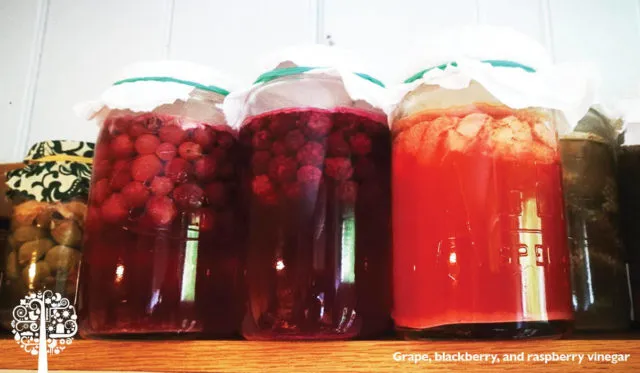
Beyond miso and fish sauce, a broader category of aged and lacto-fermented vegetable condiments is finding its footing in American craft food production. These products — fermented hot sauces aged for months or years in oak barrels, vegetable-based condiments that develop complexity through extended fermentation rather than added flavors, fruit vinegars and shrubs that sit at the intersection of fermentation and preservation — represent a distinctly American synthesis.
What unites the best of these products is a commitment to process over shortcut. The craft producers working in this space are, almost universally, people who came to fermentation through genuine curiosity and a willingness to work at the pace that biological transformation demands. Many have backgrounds in brewing, in cheesemaking, or in traditional food preservation; others arrived through the study of culinary traditions far from their own. What they share is an understanding that depth cannot be manufactured — it must be earned through time.
Using These Ingredients at Home
For the home cook encountering American artisan fermented products for the first time, the practical question is how to integrate them into everyday cooking. The answer is both simpler and more expansive than one might expect.
Domestic miso functions precisely as imported miso does, but with flavor nuances that reflect its specific ingredients. Use it in the expected applications — soups, dressings, glazes, marinades — and allow its particular character to guide your proportions. A deeply aged American miso may require a lighter hand than a younger, milder variety.
Koji-based seasonings can replace salt in many applications while contributing enzymatic activity that tenderizes proteins and deepens flavor. Rubbing a piece of chicken or fish with shio koji several hours before cooking and then roasting it produces results that are difficult to achieve through any other means — a caramelized exterior, extraordinary tenderness, and a depth of flavor that seems disproportionate to the simplicity of the technique.
American fish sauce should be used as a background flavoring rather than a foreground ingredient — a few drops whisked into a vinaigrette, stirred into a braise, or added to a pan sauce will contribute a savory underpinning that is difficult to identify but impossible to replicate with salt alone.
A Domestic Tradition Worth Building
The fermentation craftspeople working across the United States today are engaged in something more significant than trend-following. They are building a domestic tradition — one that draws on global knowledge while remaining rooted in American ingredients, American landscapes, and American ingenuity.
For the home cook who values depth, provenance, and the quiet satisfaction of a pantry stocked with ingredients of genuine integrity, their products represent an extraordinary opportunity. The flavors they create are not shortcuts or approximations. They are, in the truest sense, the products of abundance: of time given freely, of craft applied with patience, and of the remarkable alchemy that occurs when skilled human attention meets the transformative power of fermentation.