The Slow Simmer: How American Artisans Are Turning Humble Stock into a Pantry Cornerstone
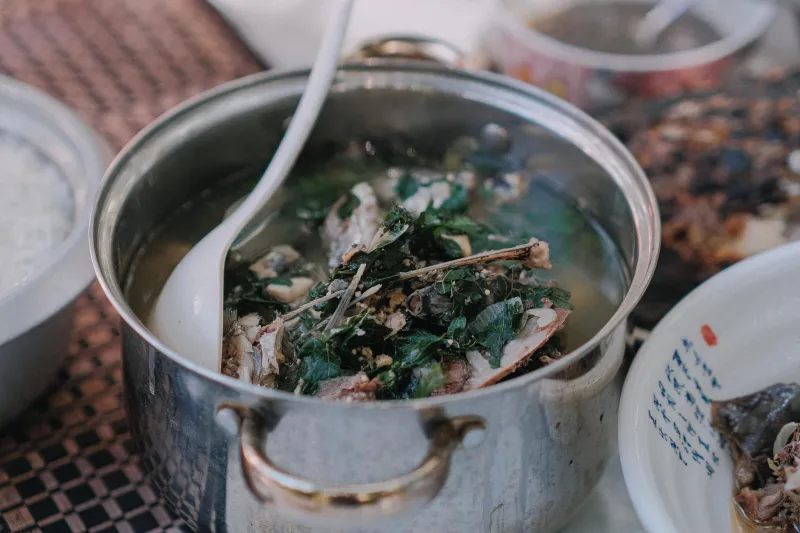
For generations, the stock pot occupied a position of quiet authority in the American kitchen — a vessel of thrift and transformation, drawing flavor from scraps and bones that might otherwise be discarded. Yet somewhere along the way, convenience overtook craft. The commercial broth industry stepped in, offering shelf-stable cartons of sodium-laden liquid that bore only a passing resemblance to the real thing. For a long while, home cooks accepted this compromise without question.
That acceptance is now giving way to something far more interesting.
Across the United States, a growing community of small-batch producers is reclaiming the stock pot with extraordinary intentionality. These artisans — some operating out of certified production kitchens, others out of small regional facilities — are applying the same sourcing philosophy and slow-process discipline that has come to define the finest American cheesemakers, vinegar producers, and chocolatiers. The result is a category of product that is simultaneously ancient and genuinely new: broth and bone stock elevated to gourmet status, and increasingly recognized as a cornerstone of the conscious, well-appointed pantry.
What Separates Artisanal Stock from Its Commercial Counterpart
The differences begin long before anything reaches the pot. Commercial broths are manufactured at scale, often relying on flavor concentrates, yeast extracts, and elevated sodium levels to approximate the taste of a long-simmered liquid. The bones and carcasses used, when they are used at all, tend to be sourced from conventional commodity operations with little transparency about animal welfare or husbandry practices.
Artisan producers invert this model entirely. The most respected small-batch stock makers in the country build their entire production philosophy around sourcing first. Bones from pasture-raised, grass-fed cattle; carcasses from heritage-breed chickens allowed to develop genuine muscular structure; feet, knuckles, and joints from animals raised without routine antibiotics — these are the raw materials that define quality at the foundational level. Several notable producers, including those working with farms in the Hudson Valley, the Driftless Region of Wisconsin, and the hill country of Central Texas, have established direct relationships with specific ranches and farms, creating a traceability that commercial manufacturers simply cannot match.
The production process itself is equally deliberate. Where industrial broths may be produced in a matter of hours, artisanal bone stocks are typically simmered for anywhere from twelve to forty-eight hours, depending on the producer and the protein involved. This extended extraction draws not only flavor but also collagen, gelatin, and minerals from the bones in ways that shorter cooking times cannot replicate. The result, when chilled, should set to a firm, trembling jelly — a quality that experienced cooks recognize immediately as the mark of genuine stock and a sign of the gelatin content that gives finished dishes their characteristic body and silkiness.
The Flavor Profiles Worth Knowing
For the home cook venturing into this category for the first time, the variety available can feel pleasantly overwhelming. Beef bone stocks tend toward deep, roasted complexity, particularly when producers roast the bones before simmering — a step that develops the Maillard reaction and contributes a mahogany richness entirely absent from pale commercial alternatives. Chicken stocks range from delicate and golden to assertively savory, depending on whether the producer works with backs and carcasses alone or incorporates feet for additional gelatin. Some artisans offer stocks built on a single heritage breed, allowing the particular character of a Cornish Cross versus a Freedom Ranger chicken, for example, to express itself distinctly.
Beyond the familiar, a number of producers are expanding the category in compelling directions. Lamb stocks, built from the bones of animals raised on specific regional pastures, carry a gentle lanolin quality and a mineral depth that pairs beautifully with North African spice profiles. Pork stocks, particularly those made with trotters and neck bones from heritage breeds such as Berkshire or Duroc, deliver a sweet, unctuous richness that elevates braises and ramen-inspired preparations alike. A smaller but growing number of artisans are producing deeply reduced demi-glace-style concentrates, offering home cooks the kind of professional-grade building block that once required either culinary training or extraordinary patience to produce at home.
Vegetable-forward options deserve equal attention. The finest artisan vegetable broths are not afterthoughts — they are composed with the same intentionality, built on roasted alliums, kombu, dried mushrooms, and seasonal produce, sometimes incorporating fermented elements for additional depth. These broths speak directly to plant-forward cooks seeking a liquid foundation of genuine character.
Incorporating Artisan Stock into the Contemporary Kitchen
The practical case for keeping exceptional stock in the pantry is straightforward: it is one of the few ingredients that improves virtually everything it touches. A spoonful stirred into a pan sauce after searing a duck breast, a ladleful added to a risotto in place of water, a cup used to braise a tangle of bitter greens with garlic and red pepper — in each instance, the quality of the stock determines the ceiling of the finished dish.
But the most devoted home cooks are finding uses that extend beyond these traditional applications. Artisan bone stocks, warmed and seasoned simply with good sea salt and perhaps a knob of grass-fed butter, have become a morning ritual for many, consumed as a restorative drink in the manner of a savory tea. Reduced and whisked with cold butter, a high-quality beef stock becomes a glossy, restaurant-worthy pan sauce in minutes. Frozen in ice cube trays, premium stocks offer an effortless means of adding depth to grains, legumes, and weeknight vegetable preparations without committing to an entire carton at once.
Sourcing with Intention
Finding artisanal broths and stocks requires a degree of effort that the category richly rewards. Farmers markets in major metropolitan areas often feature small-batch producers selling frozen stocks alongside their other offerings — a direct purchasing relationship that allows for genuine conversation about sourcing and technique. A growing number of producers ship nationally through their own websites or through specialty food platforms, making regional products accessible to home cooks far beyond their geographic origins.
When evaluating a new product, look first for transparency: does the producer name their farms and describe their sourcing practices? Does the label indicate a genuine simmer time and the absence of added flavor enhancers? And finally — does the stock gel when chilled? That simple test remains the most reliable indicator of quality, a physical manifestation of the time, care, and extraordinary ingredients that define what the best American artisans are now producing.
In a pantry built around abundance and intention, few additions carry as much daily significance as a truly exceptional stock. It is, in the most literal sense, the foundation upon which everything else is built.