Beyond the Bottle: How Craft Tinctures and Artisan Infusions Are Transforming the American Baker's Pantry
Vanilla extract has been a fixture of the American baking pantry since the late nineteenth century, when commercial production standardized what had previously been a precious and variable ingredient. For generations, that standardization served its purpose — delivering a consistent, recognizable flavor note that became the baseline expectation for everything from birthday cakes to sugar cookies. But standardization, by its nature, compresses complexity. It trades the particular for the predictable.
The artisan food movement that has reshaped American cheese, vinegar, chocolate, and salt over the past two decades is now arriving, with some force, in the world of flavor extracts and tinctures. A loose but vibrant community of craft distillers, culinary herbalists, and small-batch infusers is producing vanilla preparations, almond tinctures, and citrus-forward spirits that bear the same relationship to their commercial counterparts that a single-estate olive oil bears to a blended supermarket bottle. The difference, for those who have experienced it, is not subtle.
The Problem with "Pure"
The label "pure vanilla extract" is governed by federal standard of identity: it must contain a minimum of 13.35 ounces of vanilla beans per gallon, extracted in an alcohol solution of at least 35 percent. What it does not specify is the variety of bean, the origin of the alcohol, the extraction duration, or any of the other variables that determine whether a vanilla extract is merely compliant or genuinely exceptional.
Most commercial vanilla extract is produced from Vanilla planifolia beans grown in Madagascar or Indonesia, extracted rapidly in industrial quantities using neutral grain spirits. The result is a product that delivers the primary aromatic compound — vanillin — reliably and economically. What it does not reliably deliver is the full aromatic complexity of the bean: the secondary compounds that contribute hay, tobacco, dried fruit, and floral notes that distinguish a great vanilla from a merely functional one.
Artisan producers are changing this by attending to every variable that commercial production compresses. The choice of bean origin — Madagascar Bourbon, Tahitian, Mexican, or Papua New Guinea varieties — matters enormously, with each expressing a distinct aromatic character. The choice of extracting spirit matters equally: a craft bourbon from Kentucky carries its own layer of oak, caramel, and spice into the infusion; a high-quality brandy contributes a vinous richness; a neutral vodka from a small distillery, while less assertive, may be of a quality that allows the bean's complexity to speak without interference.
The Artisan Producers Worth Knowing
Across the United States, a number of producers have built reputations for vanilla preparations that the baking community has recognized with genuine enthusiasm. Operations in California, Oregon, New York, and the Pacific Northwest are producing small-batch vanilla extracts that specify bean origin, alcohol source, and extraction method with the transparency one expects from any serious artisan food producer.
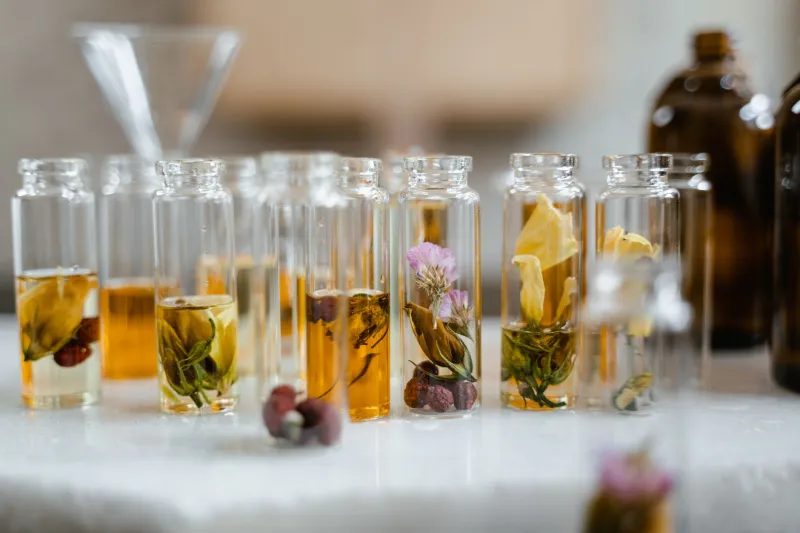
Some of the most compelling work is being done by producers who choose to call their products tinctures rather than extracts — a nomenclature that signals both a different production philosophy and, often, a different intended use. Tinctures may be more concentrated, more complex, or differently balanced than standard extracts, and they frequently incorporate additional botanical elements: a split of tonka bean, a few cardamom pods, a strip of dried citrus peel. These additions are not gimmicks. In the hands of a knowledgeable producer, they create preparations that function as complete flavor statements rather than single-note additions.
Almond tinctures represent a particularly compelling category for home bakers. The commercial almond extract familiar to most American kitchens is typically derived from bitter almond oil or benzaldehyde, delivering a sharp, almost medicinal almond character that can easily overwhelm. Artisan producers working with roasted domestic almonds, apricot kernels, or cherry pits — the latter being the traditional source of a more nuanced almond note in European baking traditions — create preparations of considerably greater subtlety, where the almond registers as a warm, rounded, almost marzipan-like presence rather than a chemical shout.
Citrus Tinctures and the Case for Terroir
Perhaps no category of artisan flavor infusion illustrates the concept of terroir more vividly than citrus tinctures. The essential oils expressed from the zest of a Meyer lemon grown in California's Central Valley carry a different aromatic signature than those from a Eureka lemon grown in the same region, let alone from a Sorrento lemon shipped from Italy. American citrus-growing regions — California, Florida, Texas, Arizona — produce fruit of genuine character, and a small but growing number of producers are capturing that character in shelf-stable tinctures and infused spirits.
Orange, lemon, grapefruit, yuzu, and bergamot tinctures made from domestic fruit are appearing in the catalogs of craft distillers who have expanded their production to include culinary preparations. These products occupy a middle ground between an extract and a liqueur — concentrated enough to function as a baking flavoring, complex enough to be used in cocktails and vinaigrettes, and interesting enough to be worth seeking out by any cook who takes flavor seriously.
The application in baking is wide. A few drops of a well-made Meyer lemon tincture in a shortbread dough, a pound cake batter, or a buttercream changes the experience of eating that baked good in a way that bottled lemon extract cannot. The difference lies not in intensity but in authenticity — the sense that the flavor one is tasting has a genuine relationship with the fruit it came from.
Practical Guidance for the Discerning Baker
Transitioning from commercial extracts to artisan tinctures requires a modest recalibration. Concentration varies considerably between products, and the first step is always to taste the tincture before adding it to a recipe. A well-made vanilla tincture may be two or three times as concentrated as a standard extract; an almond preparation may be considerably more assertive than expected. Starting with half the quantity a recipe calls for and adjusting from there is sound practice.
Storage matters, too. Artisan tinctures are typically made without artificial preservatives, relying on their alcohol content for stability. A cool, dark pantry shelf is appropriate; a refrigerator is acceptable but rarely necessary. The one consistent recommendation from producers is to keep these preparations away from heat and direct light, both of which degrade the aromatic compounds that justify the investment.
The investment itself is worth considering honestly. A well-made artisan vanilla tincture will cost more — sometimes considerably more — than its supermarket counterpart. But it will also be used in smaller quantities and will deliver a quality of flavor that changes what a home baker is capable of producing. For the cook who has already made the decision to source exceptional flour, cultured butter, and single-origin chocolate, the tincture shelf is the logical next step — a small addition to the pantry that carries an outsized influence on everything that emerges from the oven.